ByJohn A
Flat Roof Dome Skylights: Benefits, Styles and Installation Tips
Flat roofs often have a clean, practical design, but they can leave interior rooms short on natural daylight. Adding flat roof dome skylights can bring sunlight into areas that rely heavily on artificial lighting while adding an architectural feature to the roofline. Skylights Roof Lanterns offers options that can suit different building layouts, roof structures, and design preferences, making dome skylights a practical consideration for both residential and commercial properties.
Why Dome Skylights Work Well on Flat Roofs
A flat roof does not have the natural slope that helps rainwater run away from a traditional skylight. Dome-shaped skylights address this challenge through their raised profile. The curved surface allows water to flow around the skylight rather than sitting directly on a flat pane.
The raised shape also gives the skylight a wider angle toward the sky. This can help capture daylight throughout different parts of the day, particularly when the roof receives good exposure to sunlight.
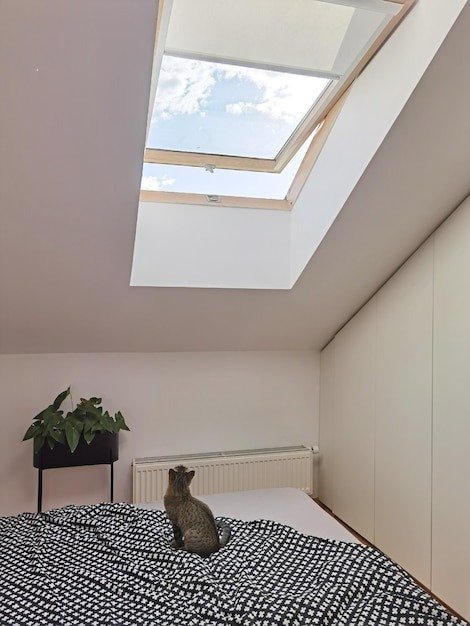
For rooms such as kitchens, hallways, bathrooms, offices, extensions, and open-plan living areas, a dome skylight can make the space feel brighter without taking up valuable wall space.
Main Benefits of Flat Roof Dome Skylights
More Natural Daylight
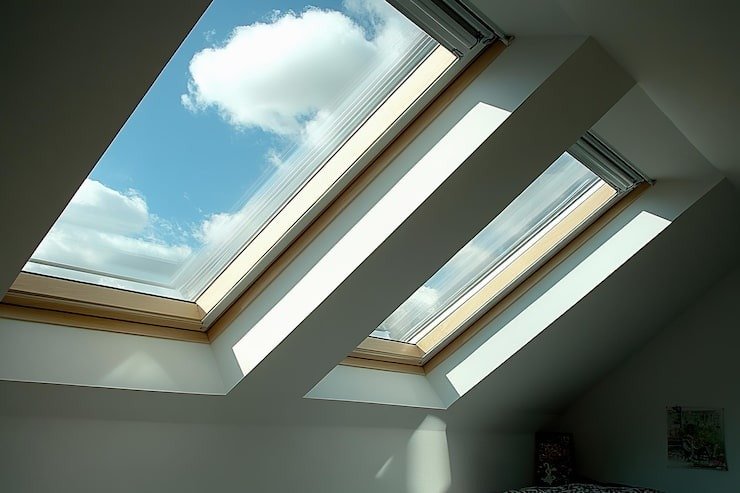
The most obvious advantage is the additional daylight. A well-positioned skylight can distribute sunlight across an interior area that may otherwise feel dark or enclosed.
Natural light can also change the character of a room. Instead of relying on ceiling lights throughout the day, occupants can benefit from daylight entering from above.
Better Use of Interior Space
Windows require wall space, which may already be needed for furniture, shelving, artwork, or ventilation. A roof-mounted skylight provides another option for bringing daylight indoors without changing the wall layout.
This makes dome skylights particularly useful for extensions and rooms surrounded by neighboring buildings where conventional windows may have limited access to sunlight.
Efficient Roof Drainage
The curved dome is designed to reduce the chance of water remaining on the glazing surface. Rain can run down the sides and away from the central surface.
Good drainage still depends on correct flashing, roof falls, seals, and installation practices. The skylight itself should never be treated as a substitute for proper roof drainage.
Architectural Appeal
A dome skylight can add a distinctive feature to an otherwise simple flat roof. Different frame finishes, glazing options, and dome shapes allow homeowners and designers to choose an appearance that works with the building.
For commercial properties, several skylights can also be arranged in a planned pattern to create consistent daylight across a larger interior.
Popular Dome Skylight Styles
There is no single design suitable for every flat roof. The right choice depends on the building, room below, roof construction, and desired appearance.
Clear Dome Skylights
Clear glazing allows a high level of direct daylight into the room. These skylights are suitable for spaces where maximum brightness is the main objective.
They work particularly well in darker rooms or areas with limited access to exterior windows.
Opal or Diffused Domes
Diffused glazing spreads incoming light instead of allowing strong direct sunlight to pass through. This can create softer illumination and reduce harsh bright spots.
This style can be useful for bedrooms, offices, kitchens, and other spaces where controlled light is preferable.
Fixed Dome Skylights
Fixed units remain closed and are primarily designed to provide daylight. They have fewer moving components and can be suitable for rooms where ventilation is already provided through windows or mechanical systems.
Opening Dome Skylights
Ventilating skylights can be opened manually or electronically to allow air to circulate. They may be useful in kitchens, bathrooms, and upper-floor rooms where additional ventilation is desirable.
The opening mechanism should be selected according to the roof design and how easily the skylight can be accessed for operation and maintenance.
Choosing the Right Size
Skylight size should be based on the room dimensions, roof structure, available daylight, and the desired visual effect. A larger skylight does not automatically mean a better result.
Oversized units can introduce excessive sunlight or unwanted heat during warmer periods, while a very small unit may not provide enough illumination.
The position also matters. A skylight placed directly above a frequently used area can provide stronger visual impact than one positioned where furniture or partitions block the incoming light.
Before ordering, check the roof dimensions carefully and identify structural elements such as joists, beams, insulation, electrical systems, and ventilation routes.
Installation Tips for Flat Roof Dome Skylights
Inspect the Roof First
The existing roof should be checked before installation. Look for damaged membranes, standing water, cracks, deteriorated insulation, or other problems that could affect the new opening.
Installing a skylight over an existing roof problem can create more serious issues later.
Plan the Opening Carefully
The opening needs to match the skylight specifications and the roof structure. Measurements should be taken accurately, and structural support should be considered before any cutting begins.
For larger units, professional structural advice may be required to determine whether additional framing is necessary.
Use Proper Flashing
Flashing creates a weather-resistant connection between the skylight and roof covering. It should be compatible with the existing roofing material and installed according to the skylight manufacturer’s instructions.
Poorly fitted flashing is one of the common causes of leaks around roof openings, so this stage deserves careful attention.
See also: Why Mumbai Businesses Need a Strong Digital Strategy
Maintain the Roof’s Drainage
A flat roof still needs an effective drainage strategy. The skylight should be positioned so it does not interfere with existing outlets, channels, or falls.
Depending on the roof construction, a raised kerb or suitable mounting system may be required to create a secure and weather-resistant installation.
Seal the Unit Correctly
Weather seals and compatible roofing materials help prevent moisture from entering around the frame. Sealants should be suitable for outdoor exposure and compatible with the surfaces being joined.
Using the wrong product can lead to premature deterioration or poor adhesion.
Common Installation Mistakes to Avoid
Even a high-quality skylight can cause problems if installation is rushed or poorly planned.
- Cutting the roof without checking the structural layout
- Ignoring existing drainage routes
- Using incompatible flashing materials
- Creating an opening larger or smaller than specified
- Failing to check the roof membrane condition
- Applying unsuitable sealants
- Installing without considering interior light distribution
- Choosing glazing without considering heat and glare
Professional installation can help address these issues before they become expensive repairs.
Maintenance After Installation
Dome skylights generally need straightforward maintenance, but they should still be inspected periodically. Dirt, leaves, branches, and other debris can collect around the frame and drainage areas.
The glazing can be cleaned using appropriate non-abrasive products. During roof inspections, check the flashing, seals, frame, and surrounding membrane for signs of movement, cracking, deterioration, or moisture ingress.
Any visible leak should be investigated promptly rather than waiting for the problem to become more extensive.
Getting More From Your Skylight Design
The best results come from treating the skylight as part of the overall building design rather than as an isolated roof feature. Consider the room’s orientation, ceiling height, existing windows, interior finishes, and how sunlight moves across the space.
A skylight over a dark hallway may provide a completely different result from one installed above a south-facing living area. Glazing choice, positioning, size, and ventilation should therefore be considered together.
Conclusion
Flat roof dome skylights can provide practical access to natural daylight while complementing the clean appearance of a flat roof. The right style can brighten an interior, make better use of wall space, support ventilation, and add an interesting architectural detail. Careful planning is essential, particularly around structural support, flashing, drainage, glazing, and waterproofing. For help selecting a suitable design or planning your project, contact Skylights Roof Lanterns today. Contact us today to discuss your skylight requirements and find an option suited to your property.