ByJohn A
Closet Shelving Systems Smart Storage Ideas for Every Home
A well-planned closet can make a room feel calmer, cleaner, and easier to use. Closet shelving systems give clothing, shoes, accessories, and everyday essentials a dedicated place without wasting valuable wall space. For homeowners who also care about visual details, brands such as Luxurious Glass show how practical storage can work alongside attractive interior finishes. The right shelving setup depends on the size of the closet, the items being stored, and the way the space is used each day.
Start With the Way You Use Your Closet
Storage works better when it follows your habits rather than forcing you to change them. Before choosing shelves, take a few minutes to consider what is currently difficult to organize.
A closet filled mostly with folded clothing needs a different arrangement from one dominated by hanging garments. Someone with a large shoe collection may need adjustable shelves near the floor, while a household closet may benefit from a combination of drawers, cabinets, and open storage.
Make a simple list of the items that need a home:
- Folded shirts, sweaters, and jeans
- Hanging dresses, jackets, and trousers
- Shoes and boots
- Handbags and accessories
- Seasonal clothing
- Hats, scarves, and belts
- Luggage and larger personal items
This list provides a practical starting point for deciding how much hanging space, shelf space, and closed storage you actually need.
Use Vertical Space From Floor to Ceiling
Many closets have unused space above eye level. Tall shelving makes use of those areas without taking additional floor space.
Upper shelves work particularly well for items that are not needed every day, such as holiday clothing, extra bedding, luggage, and seasonal accessories. Storage boxes or matching baskets can keep these belongings contained and make the closet look less cluttered.
For everyday items, keep frequently used pieces between waist and shoulder height. Less-used belongings can move higher up, while shoes and heavier items can stay closer to the floor.
A full-height shelving arrangement can be especially useful in small bedrooms, apartments, and narrow reach-in closets where every inch matters.
Give Folded Clothes a Proper Home
Stacking folded clothing too high often creates a messy pile. The shirt someone wants may be sitting at the bottom, forcing the entire stack to be rearranged.
Shelves with moderate spacing make folded clothing easier to see and reach. Rather than creating one large compartment, divide the storage into smaller sections for different categories.
For example:
Upper shelves: sweaters and seasonal clothing
Middle shelves: shirts, jeans, and everyday garments
Lower shelves: shoes, bags, or storage baskets
Adjustable shelves offer another advantage. The spacing can be changed as your storage needs change, making the closet useful for longer rather than locking it into one fixed arrangement.
Add Dedicated Shoe Storage
Shoes are among the easiest closet items to overlook during planning. Without designated storage, they often end up scattered across the floor.
Shelves allow shoes to remain visible and separated. A slightly angled shelf can make individual pairs easier to see, while deeper compartments may be useful for boots.
For households with several people sharing one closet, assigning specific sections to different categories can prevent the storage area from becoming crowded. Everyday shoes can occupy lower shelves, while formal or seasonal footwear can be placed higher.
Clear dividers can also help keep pairs together without hiding them behind doors or boxes.
Make Room for Accessories
Small accessories need small storage areas. Belts, watches, jewelry, scarves, and handbags can quickly take over shelves that were intended for clothing.
Drawers with compartments are useful for smaller belongings. Hooks can hold belts, scarves, and frequently used bags, while narrow shelves can display handbags without allowing them to collapse into one another.
A closet does not need to rely entirely on conventional shelves. Mixing different storage elements can make the space more practical.
Consider adding:
- Pull-out baskets for accessories
- Hooks for bags and scarves
- Small drawers for jewelry
- Dividers for folded items
- Open cubbies for handbags
- Narrow shelves for smaller shoes
The goal is simple: give each category enough space to remain organized without making the storage unnecessarily complicated.
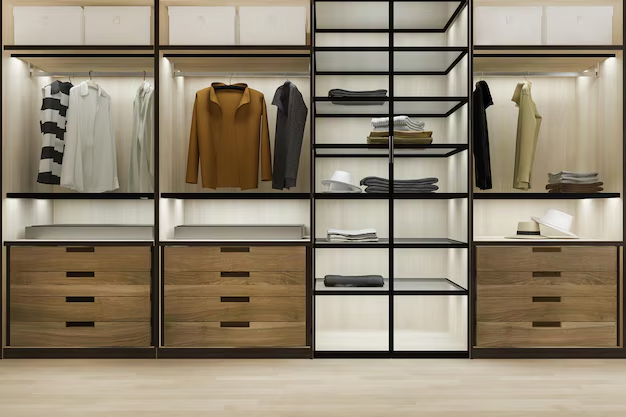
Combine Open Shelves With Closed Cabinets
Open shelving makes items easy to see, but not everything needs to remain on display. A combination of open and closed storage provides a cleaner appearance.
Use open shelves for clothing, shoes, handbags, or decorative pieces that you want to access quickly. Cabinets can hide less attractive or less frequently used belongings such as cleaning supplies, extra linens, luggage accessories, or seasonal items.
Glass doors can add another visual option. They allow belongings to remain visible while creating a more finished appearance than completely open shelving. Glass can also work well in dressing areas where the closet forms part of the overall room design.
The balance between open and enclosed storage depends on personal preference and the amount of organization required.
Consider Lighting Alongside Shelving
Good shelving can still be frustrating if the closet is poorly lit. Dark corners make it harder to distinguish colors, find small accessories, or see items placed on upper shelves.
LED strip lighting can be installed beneath shelves or along closet sections to brighten commonly used areas. Motion-activated lights are useful for closets where the main switch is inconveniently placed.
Lighting should support the shelving layout. For example, a shelf with several deep compartments may need lighting positioned toward the front so that the back of each section does not disappear into shadow.
This small detail can make the storage area much easier to use every morning.
Design Around Awkward Corners
Not every closet has perfectly straight walls. Sloped ceilings, corners, door openings, and unusual dimensions can make standard shelving difficult to arrange.
Corner shelves can turn otherwise wasted areas into useful storage. In walk-in closets, corner sections can hold shoes, handbags, folded garments, or decorative storage boxes.
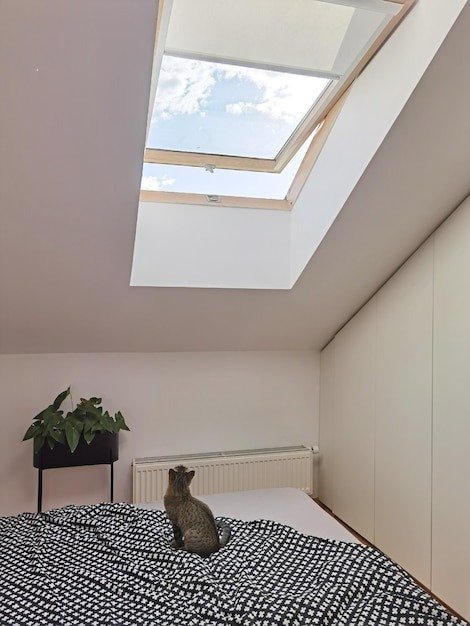
For sloped ceilings, lower shelving can follow the available height while taller sections occupy areas with more vertical clearance. This creates a more cohesive layout instead of leaving unusable gaps.
Custom measurements are particularly valuable in irregular spaces because the shelving can be planned around the architecture rather than forcing the room to accommodate standard dimensions.
Keep Frequently Used Items Within Easy Reach
A closet becomes easier to maintain when everyday belongings are stored where they can be reached quickly.
Place the clothing and accessories used most often in the central portion of the closet. Items used occasionally can occupy upper shelves or less accessible corners.
This arrangement also reduces unnecessary movement. Instead of walking across the closet to collect several pieces, related items can be positioned close together.
For example, work clothing can share one section, casual clothing another, and accessories can sit nearby. The exact arrangement should reflect the owner’s routine rather than a fixed storage formula.
Leave Some Breathing Room
Filling every shelf may seem like efficient storage, but an overcrowded closet quickly becomes difficult to maintain.
Leaving a little space between categories makes it easier to put things away and find them later. It also gives the closet a cleaner appearance.
A useful approach is to avoid planning storage based only on what you own today. Leave room for a few new items, seasonal changes, and adjustments to your lifestyle.
Shelving should make organization easier, not create another system that requires constant rearranging.
Choose Materials That Suit the Room
Shelving materials affect both appearance and durability. Wood can create a warm, traditional feel, while metal offers a more streamlined appearance. Laminated panels are available in numerous finishes and can be easier to maintain.
The surrounding room should also influence the choice. A closet connected to a polished bedroom may benefit from refined finishes, while a utility-focused storage area can prioritize durability and easy cleaning.
Hardware, handles, brackets, drawer fronts, and glass elements can also influence the overall look. These details may seem small, but together they determine whether the closet feels like an afterthought or a deliberate part of the home.
Build Storage That Can Change With You
Storage needs rarely stay exactly the same. A spare bedroom may become a nursery, a child’s closet may need more hanging space as they grow, or a household may simply accumulate different types of belongings.
Adjustable shelving makes these changes easier to handle. Movable shelves can create additional room for tall boots, folded blankets, boxes, or larger accessories without requiring a complete redesign.
The most useful closet is one that can adapt without becoming difficult to rearrange.
A Better Closet Starts With Better Planning
Closet organization is less about adding more shelves and more about assigning space intelligently. A mixture of hanging areas, adjustable shelves, drawers, cabinets, shoe storage, and accessory sections can turn an ordinary closet into a highly functional part of the home.
Start by assessing what you own and how you use it. Measure the available space, identify awkward areas, and decide which belongings need visibility and which are better kept behind doors. From there, choose materials, lighting, and shelving arrangements that fit both your practical needs and the style of the room.
A thoughtfully designed closet can reduce daily clutter while making it easier to find the things you use most. For homeowners planning a refined storage or interior upgrade, contact us today to discuss ideas that can complement the design and functionality of your home.