ByJohn A
How Rooflights Transform Modern Living Spaces
Natural light has become one of the most valued features in modern home design. As homeowners look for ways to create brighter, healthier, and more energy-conscious interiors, rooflights are moving beyond being a purely practical architectural feature. They are now part of a wider design approach that focuses on bringing nature indoors while making better use of existing spaces.
For homes where wall space is limited, fixed flat rooflights offer a simple way to introduce daylight from above without changing the overall character of the building. They can make rooms feel more open, improve the atmosphere of interior spaces, and support contemporary design goals without relying entirely on artificial lighting.
Why Natural Light Is Trending in Modern Home Design
The growing interest in natural light is closely connected with biophilic design, an approach that encourages stronger visual and physical connections with the natural environment. Instead of treating daylight as an afterthought, modern interiors increasingly use it as an important part of the overall design.
Rooflights are particularly useful because they introduce light from a different direction than conventional windows. While vertical windows generally illuminate areas close to external walls, rooflights can distribute daylight deeper into a room.
This can be especially useful in:
- Open-plan living areas where natural light needs to reach the center of the space.
- Kitchens where brighter surroundings can make everyday activities more pleasant.
- Home offices that benefit from a naturally illuminated working environment.
- Extensions where traditional window placement may be limited.
- Bathrooms and private spaces where wall windows may not be practical.
The result is not simply a brighter room. Well-planned daylight can influence how a space feels, how its materials appear, and how connected it feels to the outdoors.
Making Small Spaces Feel More Open
A room does not necessarily need to be physically larger to feel more spacious. Light, sightlines, ceiling height, and surface finishes can all influence the perception of space.
A rooflight can draw attention upward and create a greater sense of openness. This can be particularly effective in rooms with relatively compact floor areas or limited access to exterior walls.
Natural light can also highlight architectural features that might otherwise go unnoticed. Ceiling details, textured surfaces, timber finishes, tiled walls, and carefully selected furnishings can all appear more visually defined when illuminated naturally.
For homeowners planning an extension or renovation, thinking about daylight early in the design process can therefore make a significant difference to the finished atmosphere.
Rooflights and the Rise of Biophilic Interiors
Biophilic design is not simply about adding plants to a room. It is about creating environments that reflect elements of the natural world through light, materials, views, textures, and spatial arrangements.
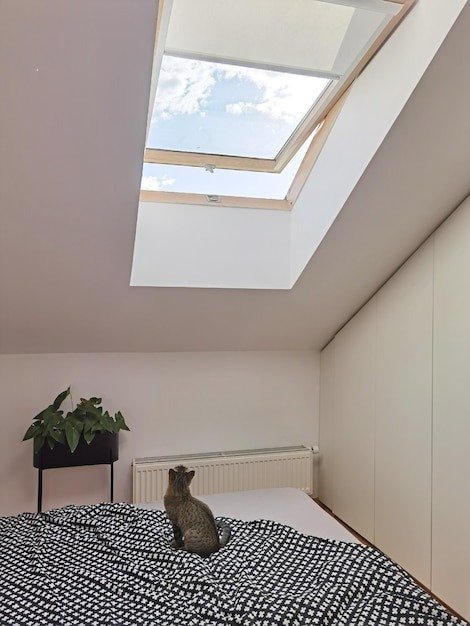
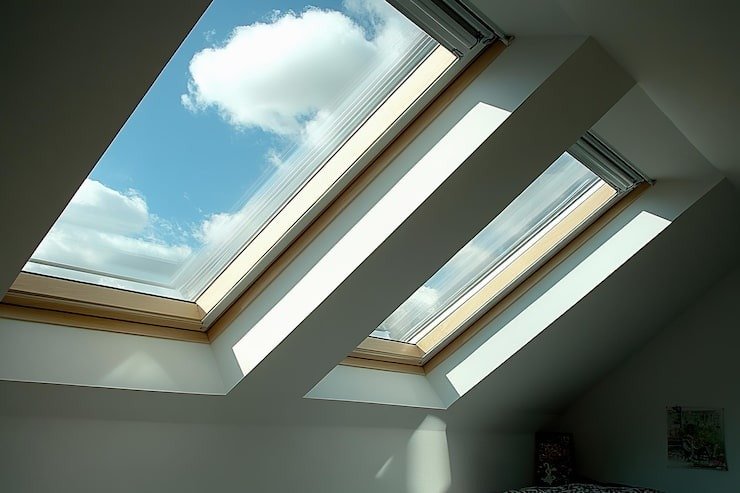
Rooflights can support this approach by creating a stronger connection between the interior and the changing outdoor environment. Natural daylight varies throughout the day, allowing a room to develop different moods as sunlight moves across the ceiling and walls.
This changing quality of light can make an interior feel more dynamic than one illuminated entirely by artificial sources.
Other design choices can strengthen the effect:
- Natural materials can complement the changing appearance of daylight.
- Indoor plants can benefit from suitable levels of natural illumination.
- Neutral surfaces can help reflect light throughout the room.
- Natural textures can become more noticeable under daylight.
- Open layouts can allow light to travel between connected areas.
The key is balance. The goal is not to fill every available ceiling area with glazing, but to introduce daylight where it adds genuine value.
Choosing the Right Rooflight for the Space
Not every room requires the same type of rooflight. The design, position, glazing characteristics, opening style, and size should all relate to the purpose of the space.
A kitchen, for example, may benefit from a rooflight positioned above a central preparation area or dining zone. In a living room, placement could focus on creating a broader wash of daylight across the main seating area.
Orientation is also important. The direction of the roof and the surrounding environment can affect how much direct and indirect sunlight enters the room.
Before selecting a rooflight, consider:
- The room’s primary function and how daylight will be used.
- The position of existing windows and other sources of natural light.
- The roof structure and available installation area.
- The desired balance between daylight and solar exposure.
- The visual relationship between the rooflight and the interior design.
A thoughtful placement can often be more effective than simply choosing the largest possible glazing area.
Improving the Character of Contemporary Extensions
Home extensions are increasingly designed as integrated parts of the existing property rather than separate additions. This has made daylight an important consideration in creating a smooth transition between old and new spaces.
Rooflights can help bring natural light into an extension while maintaining cleaner wall elevations. This can be useful when homeowners want generous glazing at roof level without filling every wall with windows.
In a contemporary extension, a rooflight can also become an architectural feature in its own right. The way daylight enters the space can help define dining areas, reading corners, kitchen islands, or circulation routes.
The best designs tend to make the rooflight feel intentional rather than simply adding it because additional light is needed.
Understanding Glazing and Thermal Performance
Bringing more daylight into a home should not mean ignoring comfort. Modern rooflight design involves a careful balance between natural illumination, thermal performance, ventilation, and solar control.
Glazing technology has developed significantly, giving homeowners more options when considering how a rooflight will perform within a building.
Thermal performance is particularly relevant in rooms that experience strong sunlight. Excessive solar gain can make an interior uncomfortable, while insufficient daylight can reduce the benefit of installing a rooflight in the first place.
Good design considers the complete environment rather than treating glazing as an isolated feature.
This is where the expertise behind products and installation becomes important. Skylight Rooflight, for example, focuses on rooflight solutions that can support modern architectural requirements while maintaining a clean visual appearance.
The Role of Rooflights in Energy-Conscious Homes
Energy efficiency remains an important part of contemporary renovation and construction. Although a rooflight does not automatically reduce energy use, well-designed daylighting can contribute to a more considered lighting strategy.
When a room receives sufficient natural light, there may be less reliance on artificial lighting during daylight hours. The actual benefit depends on factors such as room layout, glazing performance, weather conditions, occupancy, and how the space is used.
Rooflights should therefore be considered as one element of a broader approach to efficient home design.
Other features can work alongside natural daylight, including:
- High-performance insulation to support a comfortable indoor environment.
- Efficient lighting systems that respond to available daylight.
- Appropriate shading to manage strong solar exposure.
- Effective ventilation where opening rooflights are suitable.
- Carefully selected glazing to balance light transmission and thermal performance.
This integrated approach is becoming increasingly important as homeowners look beyond individual products and consider how different design decisions work together.
Creating Better Home Working Environments
The way people use their homes has changed, and dedicated or flexible work areas are now common in many properties. A well-designed home office should provide comfortable lighting without creating unnecessary glare.
Natural light from above can help create an inviting working environment, particularly where conventional windows are limited. However, the position of desks, screens, shelving, and rooflights should be considered together.
A poorly positioned rooflight can produce glare on a screen at certain times of the day. A carefully planned one can provide soft, useful illumination while helping the room feel less enclosed.
This is another reason why rooflight planning should happen alongside interior planning rather than after furniture and room layouts have already been finalized.
Combining Rooflights With Modern Interior Design
Rooflights can work with many interior styles because their influence comes primarily through light rather than decoration.
In minimalist interiors, daylight can emphasize clean lines and uncluttered surfaces. In traditional spaces, it can bring fresh illumination into rooms while preserving existing architectural details.
Material selection also matters. Light-colored walls and ceilings can reflect daylight deeper into a room, while darker finishes can absorb more of it and create a moodier atmosphere.
Furniture placement should also leave enough visual space for daylight to move through the room. Tall cabinets or partitions placed directly beneath a rooflight may reduce some of its visual impact.
The strongest results come when the rooflight is considered part of the room’s overall composition.
Planning for Comfort as Well as Appearance
A rooflight may look impressive, but appearance should never be the only consideration. Comfort is equally important.
Think about how sunlight changes throughout the day and across different seasons. A rooflight positioned over a frequently occupied area should provide useful illumination without creating excessive heat or glare.
Shading solutions can be considered where necessary. Ventilation may also be useful in spaces where warm air naturally rises toward the ceiling.
Maintenance should form part of the decision as well. Because rooflights are installed overhead, accessibility and cleaning requirements should be considered during the planning stage.
Taking these practical factors into account can help ensure that the rooflight remains a useful part of the home rather than simply an attractive architectural feature.
See also: Why Mumbai Businesses Need a Strong Digital Strategy
Looking Ahead: Rooflights as Part of Smarter Design
The future of residential design is increasingly focused on spaces that are comfortable, adaptable, efficient, and connected with the natural environment. Rooflights fit naturally into this direction because they combine architectural design with one of the simplest resources available: daylight.
As smart home technology develops, natural lighting strategies can also work alongside automated blinds, sensors, ventilation systems, and responsive lighting controls. This creates opportunities for homes that respond more intelligently to changing environmental conditions.
However, technology does not replace good design. The position, proportion, glazing, and purpose of a rooflight still determine much of its success.
The most effective approach is to start with the room itself and ask how natural light can improve the way the space is experienced.
Bringing More Daylight Into Your Home
A well-planned rooflight can do much more than brighten a dark room. It can influence the atmosphere of an interior, strengthen a connection with the outdoors, highlight architectural details, and support a more thoughtful approach to modern living.
As homeowners increasingly prioritize natural materials, healthier interiors, energy-conscious choices, and flexible spaces, daylight is becoming a central part of residential design rather than an optional extra.
Whether you are planning an extension, redesigning an existing room, or simply exploring ways to make your home feel brighter, rooflights deserve careful consideration. The right solution should complement the building, suit the way the room is used, and provide a comfortable balance of natural light and performance.
Ultimately, good rooflight design is about more than putting glass into a roof. It is about understanding how light interacts with people, architecture, materials, and everyday life. When those elements are planned together, a rooflight can become one of the most valuable features in a modern home. If you are considering bringing more natural light into your space, Contact us to explore a rooflight solution that suits your design and practical requirements.