ByJohn A
How Smarter Daylighting Is Transforming Modern Commercial Spaces
Modern commercial buildings are being designed with a stronger focus on energy efficiency, occupant comfort, and healthier indoor environments. As businesses look for practical ways to create more sustainable spaces, natural light has become an increasingly important part of architectural planning. Well-designed commercial rooflights can help bring daylight deeper into large interior areas while supporting a more comfortable and visually appealing workplace.
This shift is closely connected to the growing interest in sustainable building design. Rather than relying entirely on artificial lighting, architects and property owners are exploring ways to make better use of natural resources already available. Daylighting can influence how a space looks, feels, and functions, making it an important consideration for offices, retail environments, warehouses, educational facilities, and other commercial properties.
Why Daylighting Is Becoming a Design Priority
Natural light has always been valued in architecture, but its role in modern commercial design has become more significant. Buildings are increasingly expected to perform efficiently while also providing environments that support the people using them.
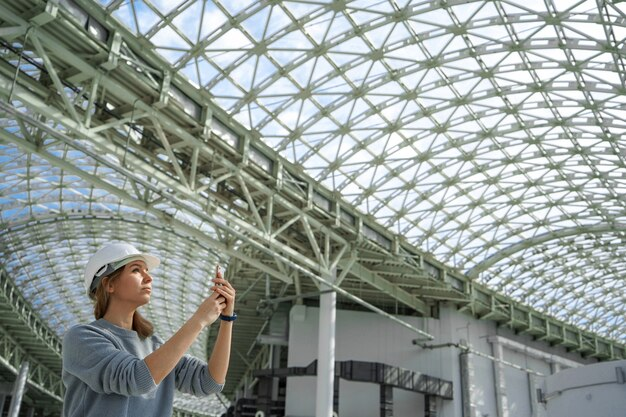
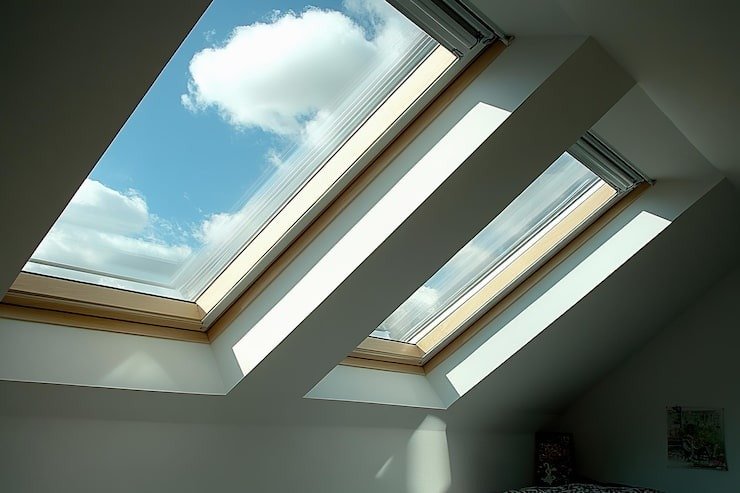
Large commercial interiors can sometimes feel enclosed when daylight is limited to windows around the perimeter. Roof-level glazing offers another way to introduce sunlight from above, allowing illumination to reach areas that may otherwise remain dependent on electrical lighting.
The growing focus on sustainable construction has also encouraged designers to consider daylight during the early planning stages. Instead of treating rooflights as an additional feature, they can be incorporated into the overall building strategy.
Several factors are contributing to this change:
- Energy-conscious design encourages greater use of available natural resources.
- Health-focused workplaces place greater importance on comfortable and naturally lit environments.
- Sustainable building goals encourage architects to consider the relationship between daylight and energy use.
- Modern architectural trends favor open, bright, and adaptable commercial interiors.
How Roof-Level Daylight Changes Interior Spaces
Light entering from above behaves differently from light entering through conventional vertical windows. It can spread more evenly across a large floor area, depending on the design, orientation, glazing, and surrounding structure.
This can be particularly useful in buildings with deep floor plans. A perimeter window may provide strong illumination near an exterior wall while leaving the center of the building comparatively dark. Roof-level daylight can help reduce this imbalance.
The visual effect can also be significant. Natural light can make interior materials, textures, and architectural details more noticeable. A previously plain commercial environment can feel more open and connected to the outside world without requiring major changes to the internal layout.
The result is not simply a brighter room. Thoughtful daylighting can influence the character of the entire space.
The Connection Between Daylight and Energy Efficiency
Energy efficiency remains one of the major considerations in modern commercial construction. Lighting can represent a meaningful part of a building’s overall electricity demand, particularly in facilities that operate across large floor areas.
Increasing access to natural light can create opportunities to reduce reliance on artificial illumination during suitable conditions. However, effective daylighting is about balance rather than simply adding as much glazing as possible.
Too little daylight may leave a building dependent on artificial lighting. Too much direct sunlight can create glare, unwanted heat, or visual discomfort. Good design therefore considers how sunlight enters the building throughout different parts of the day and across changing seasons.
Designers may consider factors such as:
- Glazing placement and orientation
- Roof structure and available installation areas
- Interior ceiling height and room depth
- Shading and solar-control strategies
- The intended use of each interior space
When these elements are considered together, daylighting can become part of a broader approach to building performance.
Creating More Comfortable Commercial Environments
A commercial building is ultimately used by people, so environmental comfort should be considered alongside technical performance.
Employees, customers, visitors, students, and other occupants may spend significant portions of their day indoors. A space with appropriate natural illumination can feel more inviting than one that depends entirely on artificial lighting.
The quality of daylight matters as much as its presence. Harsh direct sunlight can cause glare on computer screens or reflective surfaces, while carefully distributed daylight can create a softer and more balanced environment.
This makes rooflight design particularly relevant to workplaces and other settings where people need to concentrate or interact comfortably.
For example, an office may benefit from daylight that reaches shared work areas without producing excessive glare. A retail environment may use natural light to create a welcoming atmosphere and highlight interior finishes. A warehouse or workshop may benefit from improved visibility across work areas.
Supporting Sustainable Building Goals
Sustainability is no longer limited to renewable energy systems or environmentally responsible materials. Building design itself plays an important role in reducing unnecessary resource consumption.
Daylighting can contribute to this approach by making better use of sunlight as a naturally available source of illumination. When integrated with other building technologies, it can form part of a more efficient and responsive environment.
Modern buildings may combine daylighting with lighting controls, sensors, insulation, ventilation strategies, and high-performance glazing. These systems can work together to create a building that responds more effectively to changing environmental conditions.
The important point is that no single feature makes a building sustainable. Instead, sustainability often comes from how different design decisions complement one another.
Designing Daylight for Different Commercial Uses
Every commercial building has different requirements. A solution that works well for a warehouse may not be appropriate for an office, gallery, restaurant, or educational facility.
The intended purpose of the space should therefore influence the daylighting strategy.
Offices
Workplaces often require consistent illumination and careful control of glare. Daylight can enhance shared areas, meeting spaces, circulation zones, and other parts of the workplace when properly distributed.
Retail Spaces
Retail environments can benefit from bright and welcoming interiors. Natural light may also enhance the appearance of surfaces, displays, and architectural features.
Warehouses and Industrial Buildings
Large industrial spaces often have substantial roof areas and deep interiors. Strategically positioned roof glazing can help distribute daylight across areas that may otherwise require extensive artificial illumination.
Educational Buildings
Schools and learning environments need comfortable visual conditions for reading, writing, collaboration, and movement. Daylight can help create a more pleasant atmosphere when carefully controlled.
Hospitality and Public Spaces
Restaurants, reception areas, galleries, and similar spaces often use architecture to shape the visitor experience. Natural light can become an important part of that visual identity.
Choosing the Right Approach to Roof Glazing
Not every rooflight system will produce the same result. The design should respond to the building’s structure, purpose, location, and environmental conditions.
Glazing performance is one consideration. The amount of light transmitted through the glazing needs to be balanced against solar control and thermal performance.
The shape and positioning of roof glazing also matter. A carefully planned installation can distribute daylight more effectively than simply increasing the glazed area.
Building orientation should also be considered. The direction from which sunlight enters can influence brightness, glare, and heat gain throughout the day.
This is why rooflight planning should be approached as part of the wider architectural design rather than as an isolated installation decision.
The Growing Role of Smarter Daylighting
Technology is changing how commercial buildings manage natural and artificial light. Smart building systems can monitor environmental conditions and adjust artificial lighting according to available daylight.
For example, sensors can detect changes in illumination and support automatic lighting adjustments. This can help create a more responsive interior while avoiding unnecessary use of artificial lighting when sufficient daylight is available.
Automated controls can also work alongside shading systems to help manage glare and solar exposure. The objective is to create a comfortable environment that responds to changing conditions instead of maintaining the same lighting approach throughout the day.
This technology-led approach is helping transform daylighting from a passive architectural feature into a more active part of building management.
Why Design Details Matter
Good daylighting depends on more than the size of a rooflight. Small design decisions can have a noticeable impact on the final result.
The surrounding roof structure, ceiling finishes, internal partitions, furniture placement, and reflective surfaces can all affect how daylight travels through an interior.
Lighter interior surfaces may help distribute light further, while darker finishes can absorb more illumination. Open layouts can allow daylight to move more freely, while dense partitions may limit its reach.
Maintenance should also be considered. Glazing that becomes dirty or obstructed can gradually affect light transmission and the overall appearance of the installation.
A successful daylighting strategy therefore considers both the initial design and the long-term use of the building.
Making Natural Light Part of a Broader Building Strategy
At Skylights Roof Lanterns, the role of natural light is closely connected to how commercial buildings are designed and experienced. Roof glazing can become an architectural element that contributes to both visual character and practical functionality.
However, the most effective results come from considering daylight alongside other building priorities. Ventilation, insulation, solar control, artificial lighting, and interior layout can all influence how well a daylighting strategy performs.
This integrated approach is especially relevant as commercial architecture continues moving toward more sustainable and occupant-focused design.
Looking Ahead to the Future of Commercial Architecture
The future of commercial building design is likely to place even greater emphasis on the relationship between people, technology, and the natural environment.
Daylighting fits naturally into this direction because it addresses several priorities at once. It can contribute to visual comfort, support energy-conscious design, enhance architectural character, and create stronger connections between indoor and outdoor environments.
As building technologies continue to develop, natural light may increasingly work alongside automated controls and responsive systems. This could make commercial spaces more adaptable to changing conditions throughout the day.
The goal is not simply to make buildings brighter. It is to make them more thoughtful, efficient, comfortable, and responsive.
See also: Why Mumbai Businesses Need a Strong Digital Strategy
Conclusion
Natural light has evolved from being a desirable architectural feature into an important consideration in modern commercial building design. When planned carefully, roof-level glazing can help transform deep interiors, improve visual comfort, support energy-conscious strategies, and give commercial spaces a more open and welcoming character.
The key is thoughtful design. The right approach considers the building’s purpose, orientation, structure, glazing performance, interior layout, and wider sustainability goals. As commercial architecture continues to embrace smarter and more environmentally conscious solutions, daylighting will remain an important part of that evolution.
If you are considering ways to bring more natural light into a commercial environment, Contact us to explore how a carefully planned rooflight solution can complement your building’s design and functional requirements.