ByJohn A
Smart Travel Habits That Can Help Prevent Bed Bug Problems at Home
Travel has become more flexible and frequent, but it has also made people more aware of the ways unwanted pests can follow them home. Bed bugs are especially concerning because they can hide in luggage, clothing, bedding, and other belongings without being noticed. Understanding how these pests spread and taking sensible precautions can make a major difference. When signs of an infestation appear, professional bed bug pest control services can help identify the problem and determine the right approach for managing it.
Why Bed Bugs Remain a Growing Concern
Bed bugs are small, flat insects that feed on blood and are highly effective at hiding. Their ability to stay concealed in narrow spaces makes them difficult to notice until an infestation becomes more obvious.
Travel is one reason bed bug awareness has increased. Hotels, rental properties, public transportation, and other shared environments can provide opportunities for these pests to move from one place to another. They do not need much space to travel with a person. A suitcase, jacket, backpack, or folded piece of clothing can provide enough shelter.
Another reason bed bugs attract attention is that cleanliness alone does not determine whether an infestation occurs. A tidy home can still develop a bed bug problem if the insects are accidentally introduced through personal belongings.
This is why prevention is increasingly focused on awareness and practical habits rather than simply keeping rooms clean.
How Bed Bugs Can Travel With You
Bed bugs are not known for jumping or flying. Instead, they rely on people and belongings for transportation. Their small size allows them to remain hidden during travel.
Common places where they may hide include:
- Suitcase seams where fabric creates protected folds and gaps.
- Clothing packed tightly inside luggage or bags.
- Backpacks and handbags with multiple compartments.
- Bedding or blankets that have been placed near an infested area.
- Used furniture and household items brought into the home.
Once inside a property, bed bugs can move between hiding places while searching for suitable feeding areas. They may settle around mattresses, bed frames, upholstered furniture, baseboards, and other sheltered locations.
Understanding this behavior helps explain why early detection is so valuable.
Smart Travel Habits Start Before You Leave
Prevention does not have to be complicated. A few thoughtful habits before and during a trip can reduce the chances of bringing unwanted pests home.
When packing, consider using luggage that is easy to inspect. Hard-sided bags can provide fewer fabric seams and folds than some soft-sided alternatives, although no luggage type completely prevents bed bugs from entering.
It is also helpful to avoid overpacking. A less crowded suitcase makes it easier to inspect belongings when returning home.
Keep clothing organized rather than allowing items to become tightly compressed. Packing cubes or washable bags can also help separate used clothing from clean items.
The goal is not to create anxiety around travel. It is simply to make your belongings easier to monitor.
Inspect Your Accommodation Carefully
When entering a hotel room, vacation rental, or other temporary accommodation, take a moment to look around before unpacking.
The sleeping area deserves particular attention because bed bugs often remain close to places where people rest. Look at mattress seams, bed frames, headboards, and nearby furniture for signs of activity.
Possible warning signs include dark spotting, shed skins, small pale eggs, or live insects. Bites can also occur, but skin reactions vary considerably from person to person, so bites alone should not be treated as proof of bed bugs.
If something seems unusual, avoid placing luggage directly on the bed. Using a luggage rack or another elevated, inspectable surface can reduce unnecessary contact between luggage and sleeping areas.
Keep Luggage Away From the Bed
One simple habit can make luggage easier to monitor: keep it away from sleeping and upholstered areas whenever possible.
Beds, chairs, couches, and carpets can offer numerous hiding places. Leaving an open suitcase on these surfaces can create an opportunity for insects to enter unnoticed.
When luggage is not being used, close it rather than leaving it fully open. Keeping personal items contained can also make inspection easier.
These measures are not a guarantee against bed bugs, but they can reduce opportunities for accidental transfer.
Be Careful With Clothing After Travel
Returning home can be the point where prevention matters most. Rather than immediately placing a suitcase on the bed or bedroom floor, choose a location where it can be inspected.
Used clothing should be handled separately from freshly cleaned garments. Washing and drying appropriate clothing according to its care instructions can help manage potential hitchhikers.
Do not assume that clothing looks clean simply because it does not show visible insects. Bed bugs are small and can remain hidden in folds and seams.
A consistent unpacking routine can make post-travel inspection a normal habit rather than something you only think about after noticing a problem.
What to Look for Around the Home
Recognizing early warning signs can help prevent a small issue from becoming more difficult to manage.
Inspect areas around beds and other frequently used resting spaces. Pay attention to seams, cracks, crevices, and sheltered locations where insects may remain undisturbed.
Signs worth noticing include:
- Small dark marks around mattress seams or nearby surfaces.
- Tiny pale eggs or shed insect skins.
- Live insects hiding in narrow gaps.
- Unexplained spotting on bedding.
- Repeated signs appearing around sleeping or resting areas.
A single unexplained mark does not necessarily indicate an infestation. However, multiple signs appearing together deserve closer attention.
See also: How Better Sleep Supports Your Dog’s Health and Daily Well-Being
Avoid Relying on Common Myths
Bed bugs are surrounded by misconceptions, and some of them can make detection more difficult.
One common belief is that bed bugs only appear in dirty homes. This is incorrect. They can be introduced into clean and well-maintained properties through luggage, clothing, furniture, or other belongings.
Another misconception is that simply leaving a room unused will solve the problem. Bed bugs can survive without feeding and may remain hidden.
Some people also assume that strong household cleaners will automatically eliminate an infestation. Cleaning can be useful for general hygiene, but it should not be confused with a complete pest management strategy.
Understanding what bed bugs actually do allows homeowners to respond more effectively.
When Professional Help Makes Sense
Finding evidence of bed bugs can be stressful, particularly because these insects are difficult to locate and remove without a thorough approach.
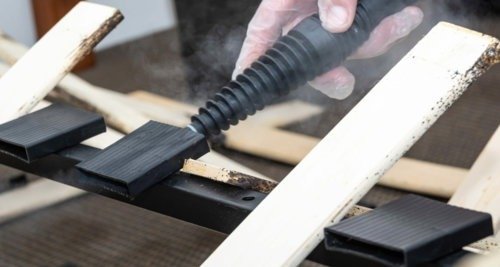
Professional pest specialists can inspect affected areas, identify potential hiding places, and recommend appropriate treatment methods based on the situation. This can be especially useful when signs continue to appear despite cleaning and routine preventive measures.
Jim’s Pest Control is one option homeowners may consider when they need professional guidance for identifying and managing pest concerns.
Professional assistance is not only about treating visible insects. A proper approach also considers where the pests may be hiding and how they could have spread.
Why Early Action Matters
Ignoring suspicious signs can allow an infestation to become more established. Bed bugs can move between nearby hiding places, making it harder to determine exactly where the problem began.
Early attention gives homeowners an opportunity to investigate before the issue spreads further.
It is also important to avoid moving heavily infested belongings from one room to another without a plan. Moving furniture or bags around can unintentionally distribute insects to new areas.
Instead, pause and assess the situation. If multiple signs are present, professional inspection can provide a clearer understanding of what is happening.
Prevention Should Continue Beyond Travel
Travel is not the only way bed bugs can enter a home. Used furniture, secondhand mattresses, clothing, luggage, and other pre-owned items can also introduce them.
Before bringing secondhand upholstered furniture into the home, inspect seams, joints, undersides, and other concealed areas carefully.
Regular awareness is more practical than constantly checking every corner of a property. Focus attention on places where pests are most likely to hide and make inspections part of your normal household routine when circumstances warrant it.
The same principle applies after visitors stay in your home or when belongings have been stored in shared environments. Awareness helps reduce surprises.
Creating a More Confident Travel Routine
The best prevention strategy is one that can realistically become part of everyday habits. You do not need to inspect every possession repeatedly or make travel unnecessarily stressful.
Instead, focus on a few practical actions:
- Inspect sleeping areas before unpacking in unfamiliar accommodations.
- Keep luggage away from beds and upholstered furniture when possible.
- Separate used clothing from clean clothing after returning home.
- Inspect luggage before storing it away.
- Pay attention to unusual signs around sleeping areas.
- Seek professional guidance when signs continue or become more noticeable.
These habits can make bed bug prevention feel manageable rather than overwhelming.
Conclusion
Bed bugs can turn an enjoyable trip into an unwanted household problem, but awareness can reduce the risk of bringing them home. Simple habits such as inspecting accommodation, keeping luggage away from sleeping areas, handling used clothing carefully, and checking belongings after travel can provide useful layers of protection.
It is equally important to remember that bed bugs are not a reflection of personal cleanliness. They are highly adaptable pests that can enter a property through ordinary activities and belongings. Recognizing the signs and responding promptly can make the situation easier to manage.
If you notice suspicious activity or need professional guidance, taking action instead of ignoring the signs is a sensible next step. For homeowners looking for professional support, choosing a qualified pest control provider and using the option to book online Appointment can make it easier to begin the inspection process and protect the comfort of your home.