ByJohn A
How Modern Skylights Are Transforming Bright, Energy-Efficient Homes
Natural light has become a major focus in modern home design. As homeowners look for ways to create brighter, healthier, and more comfortable interiors, overhead glazing is gaining attention as a practical design feature rather than simply a decorative addition. Well-planned flat roof skylights can bring daylight into spaces that may otherwise feel enclosed, while also supporting a more open and inviting atmosphere.
Today, skylight design is moving toward better energy performance, smarter operation, cleaner aesthetics, and stronger connections with the outdoors. The result is a more thoughtful approach to bringing daylight into contemporary living spaces.
Why Natural Light Matters in Modern Homes
Natural light can influence how a room looks and feels throughout the day. A space with limited windows may appear darker, smaller, or less welcoming, even when it has sufficient artificial lighting.
Skylights provide another route for daylight to enter a home. Because they are positioned overhead, they can distribute light into areas where conventional windows may have limited impact.
This can be especially useful in:
- Interior kitchens where wall space is occupied by cabinets and appliances.
- Bathrooms that have limited opportunities for conventional windows.
- Hallways and stairwells that often lack direct access to daylight.
- Open-plan living areas where natural light can improve the overall atmosphere.
The position, size, orientation, and glazing of a skylight all influence the final result. Good planning therefore matters just as much as the skylight itself.
The Shift Toward Smarter Home Design
Modern home design is increasingly focused on combining aesthetics with practical performance. Homeowners are not simply looking for attractive features. They want improvements that work naturally with the way they use their homes.
Skylights fit well into this approach because they can serve several purposes at once. They can introduce daylight, support ventilation where operable models are selected, and contribute to the visual character of a room.
Contemporary designs also tend to favor clean lines and minimal visual clutter. A carefully selected skylight can complement this style without dominating the room.
Rather than treating daylight as an afterthought, designers are increasingly considering it as part of the overall planning process.
Energy Efficiency Is Becoming More Important
Energy efficiency is another major consideration in modern residential design. Windows and skylights can influence indoor temperatures, so selecting suitable glazing and installing the unit correctly are essential.
Modern skylights can incorporate glazing technologies designed to manage heat transfer and reduce unwanted solar gain. The right specification depends on the property’s location, roof design, orientation, and intended room use.
A well-designed daylighting strategy can also reduce reliance on electric lighting during daylight hours. This does not mean artificial lighting becomes unnecessary, but it can work alongside natural illumination to create a more balanced environment.
Key factors worth considering include:
- Glazing performance that suits the home’s climate and orientation.
- Proper insulation around the skylight opening to support thermal performance.
- High-quality installation that helps minimize unwanted air leakage.
- Appropriate shading where direct sunlight may become excessive.
Energy efficiency should therefore be considered from the planning stage rather than added after the skylight has been selected.
Designing for Better Indoor Comfort
A brighter room is not automatically a more comfortable room. Direct sunlight can create glare or unwanted heat if the skylight is not appropriately positioned or specified.
This is why modern skylight planning focuses on balance. The goal is to introduce useful daylight while maintaining comfortable indoor conditions.
For example, a skylight above a kitchen work area can provide useful illumination, while one positioned over a seating area can create a stronger connection with the changing sky throughout the day.
Ventilating skylights can offer another advantage. When designed for ventilation, they may help release warm air that naturally rises toward the ceiling. This can support airflow when combined with an effective whole-home ventilation strategy.
Skylights as an Architectural Feature
Skylights are no longer limited to traditional rectangular designs. Contemporary architecture offers a wide range of forms, proportions, glazing options, and installation approaches.
A roof opening can become a subtle feature that supports the architecture rather than competing with it. Minimal frames and clean profiles can work particularly well with modern interiors.
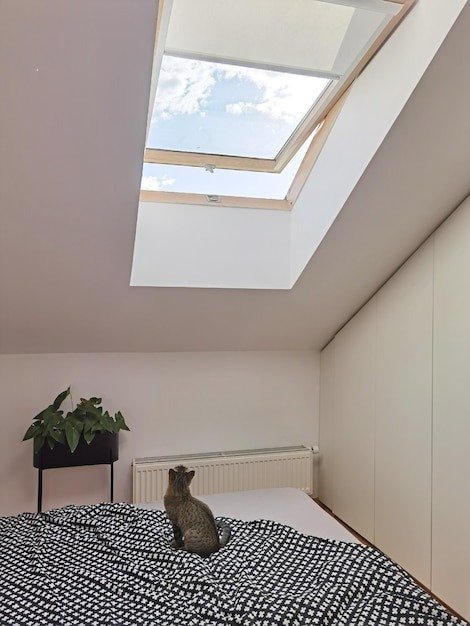
The visual effect can also change depending on the ceiling design. A skylight installed within a flat ceiling can create a simple pool of daylight, while a light well or angled ceiling can create a more dramatic architectural effect.
This flexibility makes skylights suitable for both renovations and newly designed homes.
Making Smaller Spaces Feel More Open
One of the most interesting benefits of natural overhead light is its ability to change the perception of space.
A narrow hallway may feel less enclosed when daylight reaches it from above. A compact bathroom can appear brighter without sacrificing wall space for a large window. Similarly, an extension with limited side glazing can benefit from daylight entering through the roof.
The effect is not simply about brightness. Natural light creates variations throughout the day, giving surfaces, textures, and architectural details greater visual depth.
This can make a room feel more dynamic without adding additional decorative elements.
Choosing Skylights With Long-Term Performance in Mind
A skylight should be viewed as part of the building envelope rather than an isolated design feature. Its performance depends on the relationship between the glazing, frame, roof structure, insulation, flashing, and surrounding materials.
This is where product selection and installation quality become particularly important.
Skylights Rooflight is an example of a brand associated with rooflight solutions designed to support modern daylighting requirements. When considering a skylight, homeowners should look beyond appearance and examine how the product integrates with the wider roof system.
Important considerations include:
- Structural compatibility with the existing or planned roof.
- Glazing characteristics suited to the property’s environment.
- Frame design that complements the surrounding architecture.
- Weather resistance and appropriate flashing details.
- Ease of operation when ventilation is required.
Taking this broader approach can help ensure that the skylight performs as intended while remaining visually appropriate.
See also: The Value of Well-Designed Furniture in Senior Living Communities
The Growing Interest in Wellness-Focused Interiors
Homeowners are also paying greater attention to how interior environments affect everyday wellbeing. Natural light plays an important role in this conversation because people naturally experience changing light conditions throughout the day.
A home that receives daylight from multiple directions can feel more connected to the outside environment. Skylights can contribute to that experience by introducing light from above, where conventional windows cannot.
This can be particularly valuable in rooms that are used frequently but have limited access to exterior views.
However, wellness-focused design should not rely on a single feature. Natural light works best alongside good ventilation, comfortable temperatures, suitable acoustics, and thoughtful room layouts.
Privacy Without Sacrificing Daylight
Privacy can sometimes make conventional windows difficult to use, particularly in bathrooms or homes located close to neighboring properties.
A skylight can provide an alternative source of daylight while reducing direct sightlines from outside. Depending on the design and glazing, homeowners can create a brighter interior without making privacy dependent on curtains or blinds.
This is one reason overhead daylighting can be especially effective in bathrooms, staircases, and other areas where conventional glazing presents practical challenges.
Planning the Right Position
Where a skylight is installed can have as much impact as which model is selected.
The best location depends on the room’s purpose, roof structure, sunlight exposure, ceiling layout, and existing sources of daylight.
Before installation, it is useful to consider how sunlight moves across the property. A location that appears ideal on a drawing may receive stronger direct sunlight than expected during certain parts of the day.
Furniture placement should also be considered. Direct light falling onto screens, work surfaces, or seating areas may create glare, while carefully positioned daylight can make these areas more pleasant to use.
Thoughtful positioning allows the skylight to become part of the room’s design rather than an isolated opening in the ceiling.
Looking Ahead to More Connected Homes
The future of residential design is likely to place even greater emphasis on intelligent control and environmental performance. Skylights can fit naturally into this direction through features such as automated ventilation, responsive shading, and controls that integrate with wider home systems.
These technologies can make it easier to manage daylight and airflow according to changing indoor conditions.
At the same time, technology should support good architectural planning rather than replace it. A smart skylight cannot compensate for poor positioning, unsuitable glazing, or inadequate installation.
The strongest results come from combining thoughtful design with appropriate technology.
A Brighter Approach to Modern Living
The popularity of natural-light-focused design reflects a broader change in how homeowners think about their living spaces. Instead of filling rooms with artificial lighting and decorative features, modern design increasingly looks for ways to use the building itself to create comfort and visual interest.
Skylights can contribute to this approach by bringing daylight into overlooked areas, supporting architectural character, and helping interiors feel more connected to the changing environment outside.
From compact renovations to contemporary new builds, the possibilities are broad. The key is to consider the entire project, including roof structure, room function, energy performance, ventilation, privacy, and visual design.
Conclusion
Modern skylight design is about much more than adding a window to the roof. It is about using natural light thoughtfully to improve how a home looks, feels, and functions.
As homeowners place greater emphasis on energy-conscious design, indoor comfort, wellness, and clean architectural details, well-planned skylights can play an increasingly valuable role. Choosing the right design, glazing, position, and installation approach can help create spaces that feel brighter without compromising practical performance.
If you are considering ways to introduce more natural light into your home, take time to understand how a skylight could work with your existing architecture and daily needs. For guidance on suitable rooflight solutions and design considerations, contact us to explore the options available for your project.