ByJohn A
Home Security Cameras: Everything You Need to Know Before You Buy
Why Home Security Cameras Matter
With reported burglaries and property crimes continuing to rise in many areas, more homeowners are turning to home security cameras as a practical, effective way to protect their families and belongings. Beyond simply recording footage after an incident occurs, modern home security cameras actively deter crime, provide real-time alerts, and offer peace of mind through remote monitoring capabilities.
Installing visible security cameras has been shown to reduce the likelihood of a property being targeted, since criminals are far less likely to attempt a break-in when they know they’re being watched and recorded.
Key Benefits of Home Security Cameras
24/7 Monitoring and Peace of Mind
Home security cameras allow homeowners to monitor their property around the clock, whether they’re at work, asleep, or traveling. Cloud storage and mobile app integration mean live footage is accessible from anywhere with an internet connection.
Crime Deterrence
Visible security cameras discourage potential intruders. Studies consistently show that properties with clearly visible surveillance equipment are less likely to be targeted than those without any visible security measures.
Real-Time Alerts
Motion detection technology sends instant notifications to a homeowner’s phone or email when unusual activity is detected, allowing for immediate action if something suspicious occurs.
Valuable Evidence Collection
In the event of a break-in, vandalism, or dispute, recorded footage provides critical evidence for police reports and insurance claims.
Lower Insurance Premiums
Many insurance providers offer discounts to homeowners who install security camera systems, since a monitored property is statistically less likely to experience a costly claim.
Types of Home Security Cameras
- Wired cameras — reliable, consistent power and connectivity, ideal for permanent installations
- Wireless/WiFi cameras — easier installation with flexible placement options
- Indoor cameras — monitoring interior spaces such as living rooms or nurseries
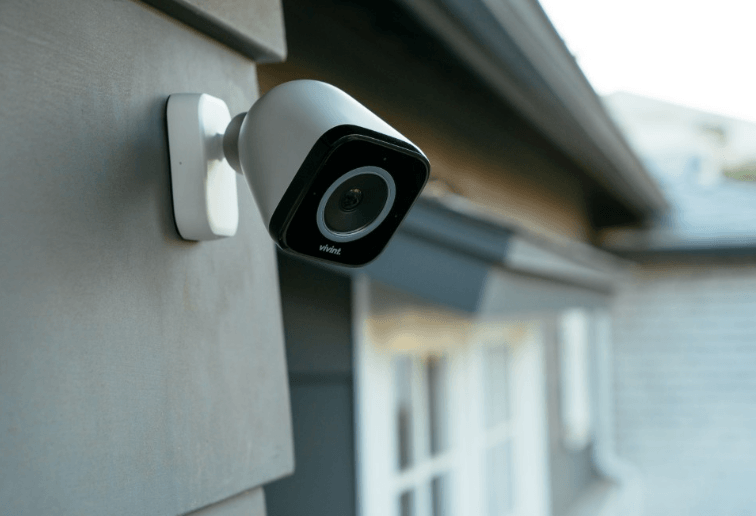
- Outdoor cameras — weatherproof housing designed for driveways, entrances, and yards
- Video doorbells — combining entryway monitoring with two-way audio and package detection
Features to Prioritize When Buying
Night Vision
Look for cameras with strong low-light performance — ideally full-color night vision — to ensure footage remains identifiable after dark.
Motion and Person Detection
AI-powered detection reduces false alerts by distinguishing between people, vehicles, and irrelevant motion like moving branches or passing shadows.
Weatherproof Rating
Outdoor cameras should carry an IP66 or IP67 rating to withstand rain, dust, and temperature extremes without performance degradation.
Storage Options
Consider whether the system uses local storage (NVR/DVR), cloud storage, or both — each offering different trade-offs in cost, accessibility, and reliability.
Two-Way Audio
Particularly useful for video doorbells, allowing homeowners to communicate directly with visitors or deter potential intruders in real time.
See also: How Autonomous Networks Improve Reliability
Wired vs. Wireless: Which Is Right for You?
Wired systems generally offer more reliable connectivity and eliminate concerns about battery life, making them ideal for permanent installations. Wireless systems, on the other hand, offer easier installation and greater placement flexibility — a good fit for renters or homeowners who want a faster setup process.
Professional Installation vs. DIY
While many home security camera kits are designed for DIY installation, hiring a professional installer ensures cameras are positioned correctly for maximum coverage, wiring is handled safely, and the system integrates properly with existing networking equipment. For larger homes or more complex setups, professional installation often delivers better long-term reliability.
Final Thoughts
Home security cameras are one of the most effective investments a homeowner can make to protect their family and property. With advancements in night vision, AI-based detection, and remote monitoring, today’s systems offer far more than simple recording — they provide proactive protection, real-time awareness, and valuable peace of mind around the clock.
Common Questions About Home Security Cameras
Do home security cameras require a monthly subscription? Some systems require a subscription for cloud storage, while others rely on local storage via an SD card or NVR, so it’s worth reviewing storage options before purchasing.
How many cameras does a typical home need? Most single-family homes benefit from cameras covering the front door, back door, driveway, and any secondary entry points, though exact needs depend on property size and layout.
Can home security cameras be integrated with smart home systems? Yes — many modern cameras integrate with smart home platforms, allowing homeowners to view footage, receive alerts, and control settings alongside other connected devices.