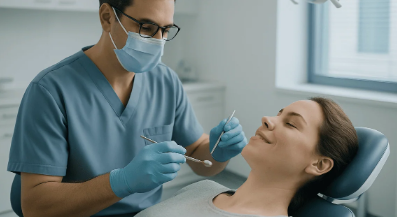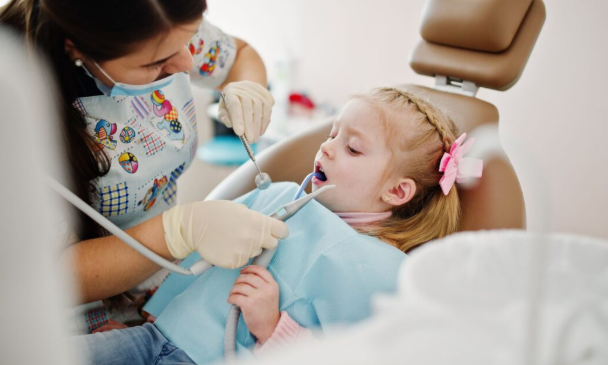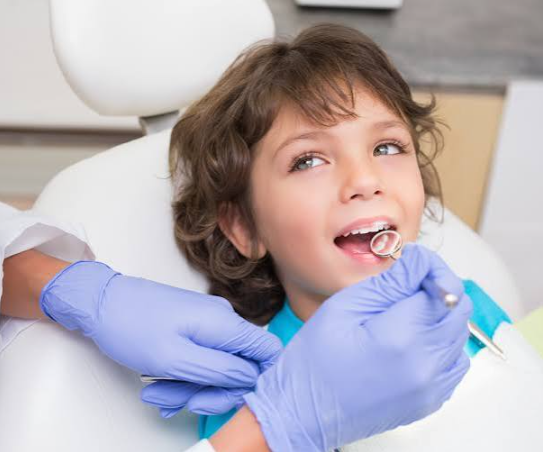

You can feel the tension before the appointment even starts. Your child is quiet in the waiting room, or maybe they are asking the same worried question again and again. You are trying to stay calm because children notice everything, especially when a dental visit feels unfamiliar. For many families, the hardest part is not the cleaning or the exam. It is the fear of not knowing what will happen next, which is why choosing a kid-friendly dental office in Colton, CA can make all the difference.
That is where Tell Show Do helps. This approach gives children a simple, steady way to understand treatment before anything happens. A pediatric dentist explains what they will do, shows the tool or action in a nonthreatening way, then completes the step gently and clearly. The goal is trust, not pressure. When children know what to expect, they are more likely to cooperate, feel safe, and leave with a better memory of dental care.
Tell Show Do helps children feel safe during pediatric dental treatment
Children do not usually fear dentistry in the abstract. They fear the unknown. A bright light, a new sound, a masked adult leaning close, a word they do not understand. Even a harmless tool can feel scary if it appears without warning. When that fear builds, a child may cry, pull away, or refuse treatment, and that leaves you feeling torn between getting needed care and protecting your child’s sense of safety.
Tell Show Do in pediatric dentistry works because it meets children at their level. First, the dentist tells the child what will happen using plain, age-appropriate words. Then the dentist shows the child the mirror, suction tip, toothbrush, or polishing cup, often on a finger, hand, or model. Then the dentist does the step exactly as described. That sequence matters. It reduces surprise, and surprise is often what turns nervousness into panic.
A child who hears, “This brush will tickle your tooth,” then sees the brush spin on a fingernail, is less likely to imagine something painful. A child who hears the suction described as “a tiny vacuum that drinks water” and gets to hear it first may accept it without a struggle. These are small moments, but they change the tone of the whole visit.
The American Academy of Pediatric Dentistry recognizes communication guidance as a core part of behavior support. Their behavior guidance recommendations outline communication techniques, including Tell Show Do, as a standard way to support positive dental experiences for children.
See also: Asset Disposition Companies: Understanding Professional IT Asset Lifecycle Management
Behavior guidance in children’s dentistry reduces fear before it turns into resistance
Parents often assume cooperation depends on personality. Some children are easygoing, some are not. Temperament matters, but preparation matters too. A child who resists treatment is not being difficult for no reason. They may be overwhelmed, ashamed, overstimulated, or simply unsure whether the adults around them will listen if they say they are scared.
Good behavior guidance changes that dynamic. The child gets information in small pieces. The dentist avoids loaded words that can trigger fear. The pace slows down enough for the child to process what is happening. Trust builds because the dentist follows through exactly as promised. If the dentist says they are going to count teeth, they count teeth. If they say the brush will touch a tooth for a few seconds, that is what happens. Predictability is calming.
This is one reason Tell Show Do for kids at the dentist is so widely used in pediatric settings. It supports cooperation without turning the visit into a power struggle. It also helps parents. When you watch the dentist explain each step with patience and clarity, you are less likely to feel helpless in the chair beside your child.
For children with higher anxiety, sensory sensitivities, or developmental differences, communication becomes even more important. Pediatric dentists are trained to adjust language, pacing, and technique based on the child in front of them. The AAPD also addresses training and the scope of care in its guidance on pediatric dental services and privileges, which you can review here.
Tell Show Do creates a different treatment experience than rushed care
Not every child needs the same level of support, but most children do better when the visit feels structured and honest. The difference is often clear.
| Approach | What the Child Experiences | Likely Result |
|---|---|---|
| Tell Show Do | Clear explanation, simple demonstration, then treatment as described | More trust, better cooperation, less fear of future visits |
| Rushed explanation | Quick instructions with little time to process | Confusion, hesitation, more resistance |
| No preparation | Unexpected sounds, tools, and sensations | Startle response, crying, refusal, stronger dental anxiety |
This matters beyond one appointment. A child who feels tricked or pinned down may carry that fear into every future visit. A child who feels informed and respected is more likely to build healthy habits around oral care. That is a long-term benefit of a strong pediatric dentist relationship. Trust during treatment today can shape how your child responds to care for years.
Small steps at home can support a smoother pediatric dentist visit
Use simple, honest language.
Tell your child they are going to the dentist so the dentist can look at and clean their teeth. Keep it plain. Avoid promising that nothing will feel strange, because strange does not always mean painful, and children notice when adults overpromise.
Practice familiar dental moments.
Count teeth in the mirror. Let your child open wide while you shine a phone light near their mouth for a second. Pretend a toothbrush is “tickling” a tooth. These little rehearsals make the real visit feel less foreign.
Choose a pediatric dental office that uses child-centered communication.
Ask how the team introduces tools and treatment steps to children. Ask how they handle first visits, anxious patients, or sensory concerns. You are not being demanding. You are checking whether the office knows how to build trust before asking for cooperation.
Trust is often the treatment before the treatment
If your child is nervous about dental care, you are not alone, and you are not overreacting. Fear changes how children hear, move, and respond. The right approach can soften that fear before it grows. Child-friendly dental communication and Tell Show Do give children a clear path through an experience that might otherwise feel too big.
When a pediatric dentist takes time to explain, demonstrate, and follow through, children learn something deeper than how a cleaning works. They learn they can get through care without losing their sense of safety. That trust is worth protecting.