ByJohn A
From Ocean to Table: Fresh Seafood Starters for Modern Dining
Seafood has a way of making a meal feel special without requiring complicated preparation or an overloaded plate. From delicate shellfish to bright citrus-marinated fish, a thoughtfully selected starter can introduce different textures, flavors, and aromas before the main course arrives. For anyone exploring the best seafood starters, understanding how ingredients, preparation methods, and presentation work together can make choosing the right dish much easier.
As dining preferences continue to shift toward fresh ingredients, lighter plates, and globally inspired flavors, seafood starters are becoming increasingly versatile. They can be crisp and refreshing, rich and comforting, or somewhere in between. The key is knowing what makes a starter balanced and enjoyable.
Why Seafood Starters Are Gaining Attention
Modern dining is placing greater emphasis on freshness, quality ingredients, and dishes that offer a memorable experience. Seafood fits naturally into this approach because it can be prepared in many ways without losing its distinctive character.
A seafood starter can also set the tone for an entire meal. A chilled dish with citrus and herbs creates a completely different opening than warm crab cakes or grilled shrimp. This variety allows diners to choose something that complements the rest of their meal rather than simply adding another heavy course.
Several qualities make seafood especially suitable for starters:
- Fresh flavors: Seafood pairs naturally with citrus, herbs, vegetables, and light sauces that create a clean first impression.
- Versatile preparation: Raw, chilled, grilled, baked, fried, and steamed preparations provide plenty of variety.
- Interesting textures: Seafood can range from tender and delicate to crisp and pleasantly firm.
- Global influence: Coastal cuisines around the world offer inspiration for creative combinations and seasonings.
Freshness Makes a Noticeable Difference
The quality of seafood is one of the most important factors in determining how a starter tastes. Fresh seafood should have a clean, appealing aroma rather than an overly strong odor. Its texture and appearance should also reflect careful handling.
However, freshness is not simply about selecting an ingredient. Proper storage, preparation, seasoning, and cooking all influence the final result. Even a high-quality ingredient can lose its appeal when it is overcooked or paired with flavors that overwhelm its natural character.
For chilled or lightly prepared seafood, freshness becomes particularly important because there may be fewer cooking elements to shape the final flavor. Citrus, herbs, spices, and sauces should support the seafood rather than hide it.
Classic Starters Still Have a Place
Some seafood starters remain popular because their appeal comes from simple combinations that work well together. Shrimp cocktails, crab cakes, oysters, calamari, and smoked fish preparations are familiar examples that continue to appear in different forms.
Classic dishes can also evolve with modern culinary techniques. A traditional shrimp cocktail might be served with a more herb-focused sauce, while crab cakes can incorporate fresh vegetables or subtle spices. The foundation remains recognizable, but the presentation can feel more contemporary.
This balance between familiarity and creativity is one reason seafood starters continue to work across different dining occasions.
Light and Refreshing Options
Not every starter needs to be rich. Light seafood dishes can provide acidity, freshness, and contrast before a more substantial main course.
Ceviche is a strong example. Fresh fish combined with citrus, herbs, peppers, onions, or other fresh ingredients creates a bright and vibrant dish. The combination can be refreshing while still delivering plenty of flavor.
Seafood salads can offer a similar experience. Shrimp, crab, lobster, or smoked fish can be paired with greens, cucumber, avocado, tomatoes, or seasonal vegetables. A simple dressing can bring everything together without making the dish feel heavy.
These preparations are especially appealing when the goal is to keep the meal balanced from beginning to end.
Warm Starters for Deeper Flavor
Warm seafood starters offer another direction for diners who prefer richer flavors and satisfying textures. Grilled shrimp, baked oysters, crab cakes, stuffed mushrooms with seafood, and crispy calamari can create a more substantial opening course.
Cooking methods play an important role here. Grilling can introduce a lightly smoky character, while baking can help combine seafood with herbs, vegetables, breadcrumbs, or delicate sauces.
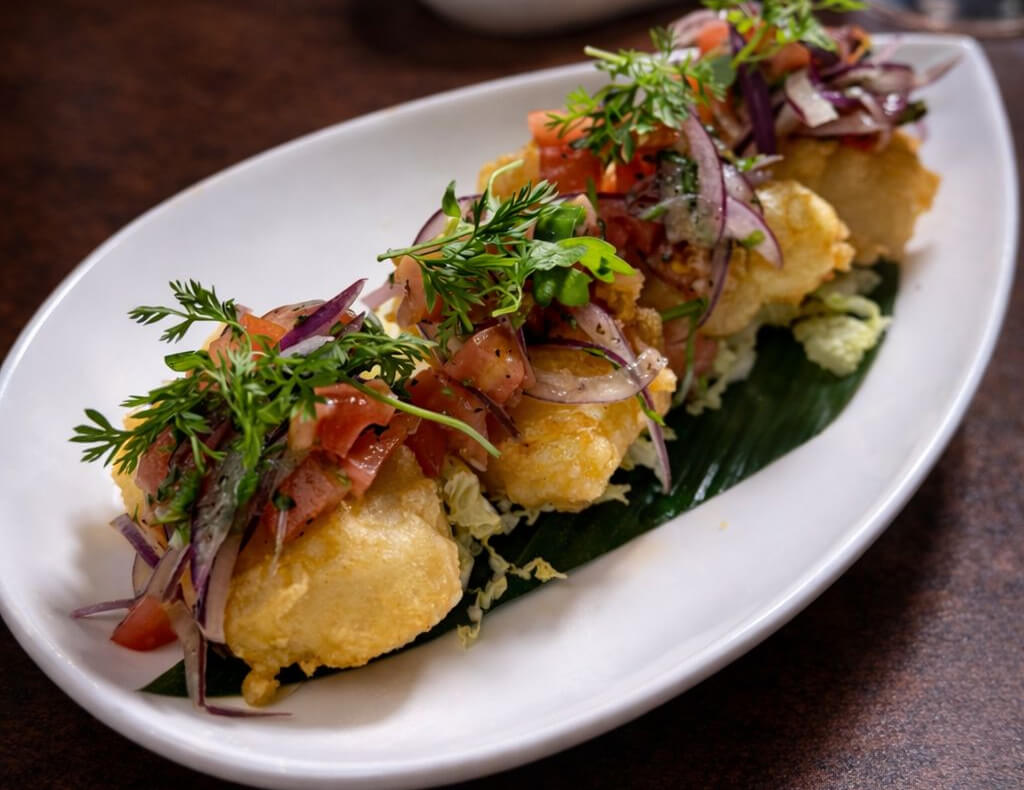
Frying can add contrast through a crisp exterior and tender interior. The most successful fried seafood starters generally rely on seasoning and texture rather than excessive coating.
The Role of Sauces and Seasonings
A well-chosen sauce can transform a seafood starter, but balance matters. Seafood often has a naturally delicate flavor, so heavy sauces can quickly dominate the dish.
Citrus-based dressings, herb sauces, light aioli, garlic preparations, and tomato-based accompaniments can provide contrast without taking attention away from the main ingredient.
Seasonings can also change the personality of a dish. Fresh herbs may create a clean and aromatic profile, while chili, ginger, garlic, or warming spices can introduce greater depth.
The goal should be harmony. A good accompaniment should make the seafood more interesting, not make it difficult to recognize.
Exploring Seafood Through Global Flavors
One of the most exciting aspects of seafood dining is the influence of different coastal food traditions. Ingredients that are common in one region can create an entirely new experience when combined with another culinary style.
Mediterranean-inspired seafood often emphasizes olive oil, herbs, tomatoes, garlic, and citrus. Asian-inspired preparations may feature ginger, sesame, soy, chili, or fresh herbs. Latin American dishes can bring together citrus, peppers, onions, and fresh seafood in vibrant combinations.
The Catch reflects this broader appreciation for seafood as an ingredient that can connect different culinary influences while still allowing the main ingredient to remain central.
Rather than following one fixed style, modern seafood menus can draw inspiration from several traditions while creating dishes with their own identity.
Texture Can Make a Starter More Interesting
Flavor gets much of the attention, but texture can be just as important. A memorable starter often combines contrasting textures that make every bite more engaging.
Consider a tender piece of seafood served with something crisp, or a creamy sauce balanced by fresh vegetables. These contrasts prevent the dish from feeling one-dimensional.
Texture can come from many sources:
- Crisp vegetables: Add freshness and a satisfying bite to softer seafood.
- Toasted elements: Breadcrumbs, nuts, or seeds can introduce a subtle crunch.
- Creamy accompaniments: Smooth sauces can balance grilled or crisp seafood.
- Fresh herbs: Delicate leaves can provide both aroma and a lighter textural contrast.
When these elements are thoughtfully combined, even a simple starter can feel carefully composed.
Presentation Matters More Than It Seems
A seafood starter is often the first dish a diner sees, making presentation an important part of the experience. The arrangement should make the ingredients look appealing while remaining practical to eat.
Color can make a significant difference. Bright citrus, fresh herbs, leafy greens, tomatoes, and colorful vegetables can complement the natural tones of seafood.
Portioning also matters. A starter should feel substantial enough to satisfy curiosity without overwhelming the appetite needed for the main course.
Simple presentations are often effective. Clean plating, well-balanced portions, and a few complementary ingredients can create a polished appearance without unnecessary decoration.
See also: How Modern Skylights Are Transforming Bright, Energy-Efficient Homes
Choosing a Starter That Fits the Meal
Selecting a seafood starter becomes easier when you consider the main course and the overall dining experience. If the main dish is rich, a lighter seafood starter can create useful contrast. If the main course is relatively delicate, a more flavorful starter can add variety.
Think about the dominant flavors as well. A citrus-forward starter may work particularly well before dishes featuring herbs or fresh vegetables, while a smoky or grilled starter can introduce a deeper flavor profile before a lighter main course.
It is also worth considering texture. Serving two dishes with nearly identical textures can make the meal feel repetitive, even when both dishes are individually appealing.
The Growing Preference for Balanced Dining
Today’s diners are increasingly interested in meals that feel satisfying without being unnecessarily heavy. Seafood starters naturally fit into this preference because they can combine protein with vegetables, herbs, citrus, and other fresh ingredients.
This does not mean every seafood starter needs to be light. Rich preparations still have their place. The broader trend is toward balance, where each ingredient contributes something meaningful to the dish.
A successful menu can therefore include different types of seafood starters while maintaining a sense of variety. Chilled, grilled, baked, and crisp preparations can all coexist when their flavors and textures are thoughtfully planned.
Making Seafood the Focus
The most effective seafood starters do not necessarily require numerous ingredients. In many cases, a small selection of complementary components allows the seafood to remain the center of attention.
Fresh herbs can brighten the dish. Citrus can add acidity. Vegetables can contribute color and texture. A carefully selected sauce can provide depth. Each element has a role, but none should compete unnecessarily with the main ingredient.
This approach also makes it easier to appreciate the natural differences between shrimp, crab, oysters, fish, scallops, and other seafood. Each has its own texture and flavor profile, so preparation should be chosen accordingly.
Conclusion
Seafood starters offer much more than an introduction to a meal. They create an opportunity to explore fresh ingredients, global culinary influences, contrasting textures, and carefully balanced flavors in a single dish. Whether the preference is for a bright ceviche, a classic shellfish preparation, a crisp fried option, or a warm grilled creation, there is plenty of room for variety.
The strongest seafood starters are built around thoughtful choices. Fresh ingredients, suitable preparation, balanced seasoning, complementary textures, and appealing presentation can turn a simple first course into a memorable part of the dining experience.
For diners looking to discover new flavors or understand what makes a seafood menu stand out, exploring the philosophy and approach behind a restaurant can be just as valuable as looking at individual dishes. Learning more about a restaurant’s ingredients, culinary style, and about us story can provide useful insight into how it approaches seafood and the experience it aims to create.
Ultimately, a great seafood starter should leave diners interested in what comes next while giving the first course an identity of its own. When freshness, creativity, and balance come together, seafood can make the beginning of a meal just as memorable as the main event.