ByJohn A
How Pet Wellness Trends Are Changing the Way We Care for Dogs
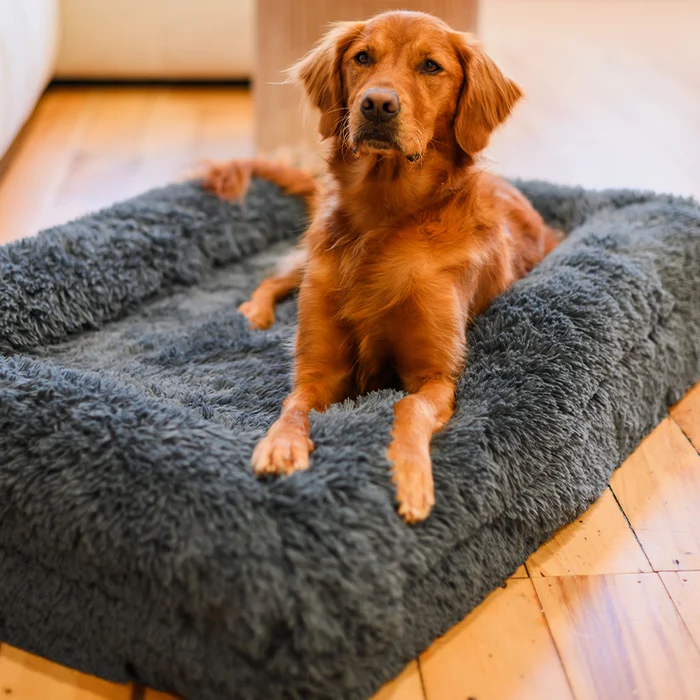
A dog’s comfort is no longer viewed as a small detail in everyday pet care. As more pet owners pay attention to sleep quality, physical comfort, mental stimulation, and healthy routines, the spaces where dogs rest have become an important part of the conversation. Choosing the right dog beds is increasingly connected with a broader approach to pet wellness, where comfort and functionality work together to support a dog’s daily life.
This shift reflects a simple idea: a comfortable dog is often better prepared for everything else the day brings. Rest plays a role in energy, mood, mobility, and recovery, making the sleeping environment worth considering carefully rather than treating it as an afterthought.
The Rise of Pet Wellness as a Lifestyle
Pet care has become more thoughtful in recent years. Instead of focusing only on food, exercise, and veterinary visits, many owners are considering the complete environment in which their dogs live.
This includes everything from the layout of the home to daily routines and resting spaces. Owners are becoming more observant about how their dogs behave throughout the day. A dog that frequently changes sleeping positions, avoids a particular surface, or struggles to settle may be communicating a need for greater comfort.
The growing interest in pet wellness also encourages owners to think about individual needs. A young, energetic dog may require a different resting environment than an older dog. Likewise, a small breed, a large breed, and a dog with a naturally lean build can have very different comfort preferences.
Understanding these differences is a useful starting point when creating a supportive home environment.
See also: Asset Disposition Companies: Understanding Professional IT Asset Lifecycle Management
Why Rest Deserves More Attention
Dogs spend a significant part of their lives resting. Even active dogs need periods of relaxation between walks, play, training, and other activities.
A dedicated resting area can give a dog a familiar place where it feels secure. This can be especially useful in busy households where there are frequent sounds, movement, or interruptions.
Comfort also affects how a dog uses its resting space. If the surface is too firm, too soft, too warm, or poorly suited to the dog’s size, the animal may avoid it altogether. Paying attention to these details can help owners create a space that naturally encourages relaxation.
A good resting environment should support several basic needs:
- Comfort: The surface should provide appropriate cushioning without making it difficult for the dog to move.
- Support: The sleeping area should suit the dog’s body shape, size, and preferred sleeping position.
- Security: A consistent resting spot can give dogs a familiar place to retreat when they want quiet time.
- Cleanliness: Materials that are easy to maintain can help keep the sleeping area fresh and comfortable.
- Placement: Positioning the bed away from excessive noise or household traffic can make the space more relaxing.
Comfort Should Match the Individual Dog
There is no universal definition of comfort when it comes to dogs. Some prefer to stretch out across a flat surface, while others naturally curl into a compact position. Some dogs like to rest with their heads slightly elevated, while others prefer a completely level surface.
Observing these habits can provide useful clues.
For example, a dog that frequently circles before settling may appreciate a surface that gives it enough room to reposition itself. A dog that sleeps curled up may enjoy a more enclosed design. Dogs that regularly move between cool and warm areas may benefit from a resting location where temperature can be managed more easily.
Age and physical condition can also influence preferences. Puppies may need durable materials because of their curiosity and tendency to explore with their mouths. Older dogs may appreciate more supportive surfaces that make resting and getting up easier.
The key is to consider the dog rather than choosing based solely on appearance.
Design Is Becoming Part of Pet Wellness
Modern pet products are increasingly designed to fit naturally into the home. This is partly because pet owners want functional products that also complement their living spaces.
A resting area does not have to look disconnected from the rest of a room. Thoughtful design can make it feel like a natural part of the home while still meeting the dog’s needs.
This is where details such as shape, fabric, structure, and placement become important. A well-designed resting space can be comfortable for the dog while remaining visually suitable for the household.
The Brooklyn, for example, reflects the growing interest in combining pet comfort with considered home design. The broader trend is moving toward products that recognize both sides of the relationship: pets need practical comfort, while owners also want products that work naturally within their surroundings.
Materials Matter More Than Appearance Alone
A beautiful sleeping space is not necessarily a practical one. Materials can influence comfort, durability, maintenance, and overall usability.
Soft fabrics may create a welcoming surface, but they also need to suit the dog’s habits. A dog that spends a lot of time outdoors may bring dirt and moisture into the home. A dog that sheds heavily may require materials that can be cleaned without difficulty.
Breathability is another consideration. Dogs regulate body temperature differently from humans, and a sleeping surface that retains excessive heat may become uncomfortable.
When evaluating materials, owners should consider:
- Texture: The surface should feel comfortable and should not irritate the dog’s skin.
- Breathability: Materials that allow airflow can help create a more comfortable resting environment.
- Maintenance: Removable or washable components can make regular cleaning easier.
- Durability: The construction should be appropriate for the dog’s activity level and habits.
- Structure: Materials should retain their intended support without quickly becoming misshapen.
The Connection Between Sleep and Daily Behavior
Rest is closely connected to a dog’s overall routine. A dog that has a comfortable place to relax can more easily separate active periods from quiet periods.
This can be useful for dogs living in homes with busy schedules. Having a consistent resting area establishes a predictable part of the environment. Over time, the dog may naturally associate that space with relaxation.
A calm resting area can also support household routines. Rather than following people from room to room throughout the day, a dog may become more comfortable spending periods independently in its own space.
This does not mean a resting area replaces interaction, exercise, or attention. Instead, it complements them by giving the dog a dedicated place to recharge.
Making the Resting Area More Inviting
The location of a dog’s sleeping area can be just as important as the sleeping surface itself.
Many dogs like to remain close to their owners, so placing the resting area in a frequently used but relatively calm part of the home can provide a balance between companionship and relaxation.
Avoiding constant foot traffic can reduce interruptions. At the same time, placing the space completely away from household activity may leave some dogs feeling isolated.
Owners can also observe how their dogs respond to light, temperature, and noise. A dog that frequently moves away from a sunny spot may prefer a cooler location, while another may actively seek warmth.
Small environmental adjustments can make a noticeable difference in how inviting the resting space feels.
How Trends Are Shaping Better Pet Choices
The current pet wellness movement is encouraging owners to become more intentional. Instead of buying products simply because they look appealing, people are increasingly asking whether those products genuinely improve everyday life for their pets.
This mindset applies beyond sleeping areas. Feeding stations, walking equipment, enrichment toys, grooming products, and other everyday essentials are increasingly selected based on function and individual needs.
The result is a more personalized approach to pet care.
Rather than following a fixed checklist, owners can pay attention to behavior and make adjustments accordingly. Does the dog settle comfortably? Does it have enough room to move? Is the space easy to keep clean? Does the location encourage relaxation?
These practical questions often lead to better decisions than choosing something based purely on trends.
Creating a Healthy Balance Between Activity and Rest
Wellness is not about making every part of a dog’s life perfectly structured. Dogs need opportunities to explore, play, interact, and simply relax.
A balanced routine gives them space for all of these activities.
Regular physical activity can help support healthy movement and mental stimulation, while quiet periods allow dogs to recover and settle. A comfortable resting environment fits naturally into this balance.
Owners should also remember that changes in sleeping behavior can sometimes indicate an underlying issue. If a dog suddenly avoids its usual resting area, appears uncomfortable, or shows a significant change in sleep habits, professional veterinary guidance may be appropriate.
A comfortable environment supports wellness, but it should not be considered a substitute for proper care.
Choosing With Long-Term Comfort in Mind
Trends come and go, but the fundamental needs of dogs remain relatively simple. They need a safe environment, suitable nutrition, regular activity, social interaction, and opportunities for quality rest.
When selecting a resting space, owners can focus on how well it fits into those broader needs.
Consider the dog’s size, sleeping position, age, habits, and environment. Think about where the resting area will be placed and whether its materials will remain practical as everyday use continues.
Most importantly, observe the dog after making a change. Dogs are often very clear about what they like. Their body language, sleeping position, and willingness to return to a particular space can offer valuable information.
A More Thoughtful Approach to Everyday Pet Care
The growing focus on pet wellness is changing how people think about ordinary products. Something as simple as a resting space can become part of a much larger effort to create a healthier and more comfortable home for a dog.
The best choices are rarely about following a trend blindly. They come from understanding the individual animal and considering how design, materials, placement, and routine work together.
As pet care continues to become more intentional, comfort is likely to remain an important part of the conversation. Giving dogs a dedicated place to rest is not simply about creating another piece of furniture in the home. It is about recognizing the importance of downtime and making space for it.
For owners looking to create a more comfortable environment for their dogs, thoughtful choices can make everyday routines feel more natural for everyone. Observe your dog’s habits, prioritize practical comfort, and choose products that support the way your pet actually lives. When you are ready to explore options that bring comfort and considered design together, Get in touch and take the next step toward creating a welcoming space your dog can truly enjoy.