ByJohn A
How Do Yacht Shade Poles Improve Comfort Without Permanent Installation?
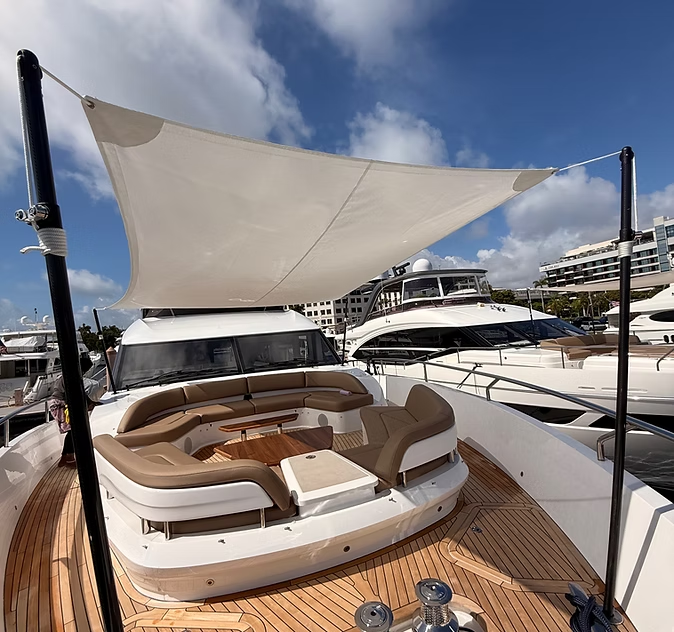
Spending time on a yacht should be relaxing, but prolonged exposure to direct sunlight can make an open deck uncomfortable. A practical shade solution can help create a cooler, more enjoyable outdoor environment without permanently changing the vessel. This is where a yacht shade pole system can offer flexibility, particularly for yacht owners who want shade that can be installed, adjusted, and removed when needed.
Unlike fixed structures that may require extensive installation, removable shade systems can provide coverage while preserving the yacht’s original layout. Depending on the vessel and desired coverage, shade poles can support areas such as the bow, cockpit, aft deck, and other open spaces.
For yacht owners considering a flexible approach, understanding the construction, installation, positioning, and material options can make it easier to choose an appropriate shade configuration.
What Is a Yacht Shade Pole?
A yacht shade pole is a structural support used to hold a fabric shade over an open area of a yacht. The pole works together with shade fabric, tensioning lines, and suitable mounting points to create a stable overhead covering.
A removable system can be particularly useful when shade is only required during certain activities or conditions. It also allows the yacht to maintain an open appearance when the shade is not being used.
How a Rod-Holder Shade Pole Works
Rod-holder-mounted systems use existing rod holders as mounting points rather than requiring permanent drilling into the deck. The poles are positioned into compatible holders and connected to the shade fabric.
Once the fabric is attached, tensioning lines help maintain the desired shape and positioning. This approach can provide a practical balance between stability and removability.
Why Removable Shade Systems Are Useful on Yachts
A removable yacht shade can be taken down when it is not required, which can be helpful when moving between different activities on the vessel. It can also simplify storage and allow the deck to be returned to its open configuration.
For yacht owners who prefer adaptable equipment, removable shade poles provide an alternative to permanent overhead structures.
Yacht Shade Poles vs Permanent Shade Structures
Permanent shade structures are designed to remain attached to the yacht and can provide continuous coverage. However, they may require more extensive installation and can alter the vessel’s appearance or available space.
A removable shade pole system focuses on flexibility. The poles and fabric can be installed when shade is needed and removed afterward, making the system suitable for owners who want adaptable yacht sun protection.
Why Yacht Owners Need Flexible Sun Protection
Sun protection is an important consideration for open decks because different areas of a yacht can receive direct sunlight throughout the day. A flexible shade system allows coverage to be adapted according to the area being used.
The right arrangement can also make outdoor spaces more functional without permanently occupying valuable deck space.
Protecting Open Deck Areas From Direct Sun
Open decks can receive substantial sunlight, particularly when the yacht is stationary or cruising during bright conditions. A shade structure can reduce direct exposure over selected areas and make those spaces more comfortable.
A properly positioned yacht shade system can therefore provide targeted coverage without requiring the entire deck to be enclosed.
Creating More Usable Outdoor Space
Shade can make previously exposed areas more practical for sitting, relaxing, dining, or spending time outdoors. Instead of restricting activities to naturally shaded areas, yacht owners can create coverage where it is needed.
Because removable poles can be taken down, the same deck can remain open when full sun exposure or unrestricted overhead space is preferred.
Supporting Comfortable Cruising and Anchoring
Shade requirements can change depending on whether the yacht is cruising, anchored, or stationary. A flexible system allows owners to consider different coverage requirements rather than relying on one permanent configuration.
This adaptability is especially useful when outdoor comfort is a priority but maintaining an open deck remains important.
Where Can You Use a Yacht Shade Pole?
A yacht’s layout determines where shade poles can be positioned and how much coverage can be created. The bow, cockpit, aft deck, and other open areas may each require different configurations.
Understanding the intended coverage area before selecting poles can help ensure the shade system suits the vessel.
Bow and Forward Deck Coverage
The bow can be one of the most exposed areas of a yacht. A shade system positioned over the forward deck can provide protection while retaining access to the surrounding deck.
Pole placement and shade dimensions should be selected according to the available mounting points and the desired coverage area.
Cockpit and Aft Deck Shade
The cockpit and aft deck are commonly used outdoor areas where shade can improve comfort. A properly tensioned shade can cover these spaces while maintaining access around seating and other equipment.
Removable poles also allow the area to be opened up when shade is not required.
Flybridge Shade Solutions
Flybridges can have extensive open areas with limited natural protection. Larger shade configurations may require additional support, such as a topping lift pole or center lifting arm, depending on the layout and size of the shade.
The configuration should be selected according to the vessel’s dimensions and the required span.
What Should You Look for in a Yacht Shade Pole?
Choosing a yacht shade system involves more than selecting a pole length. The material, mounting method, stability, compatibility, and ease of handling can all affect how practical the system is.
Before purchasing, consider how frequently the shade will be installed, where it will be positioned, and how much coverage is required.
Pole Strength and Stability
The poles need sufficient structural support for the intended shade configuration. Proper tensioning and suitable mounting points are also important for maintaining stability.
The overall system should be designed as a combination of poles, fabric, attachment points, and tensioning components rather than treating the pole as an isolated component.
Marine-Grade Materials and Corrosion Resistance
Marine equipment is exposed to moisture, salt, and changing environmental conditions. Material selection therefore matters when choosing shade components for regular use on the water.
The construction should be suitable for the intended marine environment, while fittings and connection points should also be considered as part of the overall system.
Rod Holder Compatibility
For rod-holder-mounted systems, compatibility is essential. The yacht should have appropriate rod holders positioned where the shade poles can provide the required coverage.
Checking the dimensions and placement of existing holders before purchasing can help prevent installation issues.
Easy Installation and Removal
A major advantage of a removable yacht shade system is the ability to put it up when required and remove it afterward. Lightweight components can make this process easier to manage.
The shade should also be straightforward to secure, tension, remove, and store without unnecessary complexity.
Carbon Fiber vs Aluminum Yacht Shade Poles
The material used for a shade pole affects its weight, handling, rigidity, and overall performance. Carbon fiber and aluminum are two materials commonly considered for marine applications.
Sunfly Poles offers carbon fiber shade pole solutions designed for removable boat and yacht shade applications.
Weight and Handling
Carbon fiber is known for its high strength-to-weight characteristics. A lighter pole can be easier to carry, position, install, and store, particularly when the shade needs to be removed regularly.
Aluminum can also provide a practical structural solution, but its weight may be a consideration depending on the size and number of poles required.
Strength and Rigidity
Shade poles need to support the fabric while maintaining an appropriate structure under tension. Carbon fiber can offer a useful combination of low weight and rigidity.
The performance of any shade system ultimately depends on the complete setup, including pole construction, fittings, fabric, mounting points, and tensioning.
Saltwater and Marine Environment Considerations
Marine equipment needs to be selected with exposure to saltwater and moisture in mind. Beyond the primary pole material, attention should also be given to fittings, connectors, storage, and routine cleaning.
Proper care can help maintain the appearance and functionality of shade equipment over time.
How to Choose the Right Yacht Shade Configuration
The ideal configuration depends on the yacht’s size, layout, mounting points, and desired coverage. It is important to consider these factors before deciding on pole length or additional support components.
Matching Pole Length to Vessel Size
Pole length should correspond with the desired shade height and coverage area. A configuration that is too short may provide insufficient coverage, while an unsuitable height can affect the shape and tension of the shade.
Measure the intended coverage area and consider where the shade fabric needs to sit before selecting the pole configuration.
When a Topping Lift Pole Is Useful
Larger shade panels may benefit from additional central support. A topping lift pole can help raise part of the shade fabric and create a more suitable configuration for larger spans.
Whether one is required depends on the shade dimensions, yacht layout, and support arrangement.
When a Center Lifting Arm May Be Needed
A center lifting arm can provide additional support for certain larger shade configurations. It can help create the desired shape and height where the main support poles alone may not be sufficient.
The appropriate setup should be determined by the dimensions of the shade and the available mounting points.
How Are Yacht Shade Poles Installed?
A removable shade system typically involves positioning the poles, attaching the fabric, and tensioning the complete arrangement. The exact process depends on the specific shade configuration and mounting points available on the yacht.
Securing the Shade Fabric
The fabric should be connected to the appropriate attachment points on the poles and positioned over the intended coverage area.
Correct placement helps ensure that the shade provides useful coverage without unnecessary slack.
Connecting the Tensioning Line
Tensioning lines help hold the fabric in position. They should be connected to appropriate points and adjusted so that the fabric remains properly supported.
Excessive or uneven tension should be avoided because it can affect the shape and performance of the shade system.
Positioning and Tensioning the Pole
Once the poles are positioned in their mounting points, the shade can be adjusted to achieve the intended coverage. Proper tensioning helps create a stable configuration.
The system should be checked before use to ensure that connections are secure and the poles are correctly positioned.
Key Questions to Ask Before Choosing a Yacht Shade System
Taking a few measurements and checking the yacht’s existing hardware can make the selection process more straightforward. It is also useful to consider how frequently the system will be installed and removed.
Does the Yacht Have Compatible Rod Holders?
Check the size, location, and condition of the available rod holders. Their position can influence where poles can be installed and how effectively the shade can cover the intended area.
How Much Deck Area Needs Coverage?
Determine whether shade is required for the bow, cockpit, aft deck, flybridge, or another area. Defining the coverage zone helps determine the required pole arrangement and shade dimensions.
Does the System Need to Be Removed Regularly?
If the yacht needs to switch between shaded and open configurations frequently, a removable system may be more convenient than a permanent structure.
Consider storage space as well as installation time when evaluating the overall practicality of the shade system.
For more information about a yacht shade pole solution, visit yacht shade pole. For questions about available options or suitability, you can also contact the team directly.
Frequently Asked Questions About Yacht Shade Poles
Can yacht shade poles be removed when not needed?
Yes. Removable shade pole systems are designed to be installed when coverage is required and taken down when an open deck configuration is preferred. The ease of removal depends on the mounting and shade configuration.
Are carbon fiber poles suitable for marine environments?
Carbon fiber can be suitable for marine shade applications because it offers a high strength-to-weight ratio and useful rigidity. The complete system, including fittings and connectors, should also be appropriate for marine conditions.
What size yacht can use a removable shade pole system?
The appropriate system depends on the yacht’s dimensions, deck layout, available mounting points, and required shade coverage. Larger yachts or larger shade spans may require additional support components.
Can a yacht shade system be installed without permanent drilling?
Some removable systems use existing rod holders as mounting points, which can avoid the need for permanent deck drilling. Compatibility should be confirmed before selecting this type of system.
How should yacht shade poles be stored?
Remove the poles and shade fabric according to the manufacturer’s instructions, clean them as appropriate for marine use, and store them in a dry, protected location. Proper storage can help reduce unnecessary exposure between uses.