ByJohn A
After a Motorcycle Crash in Colorado Springs: Practical Steps for Protecting an Injury Claim
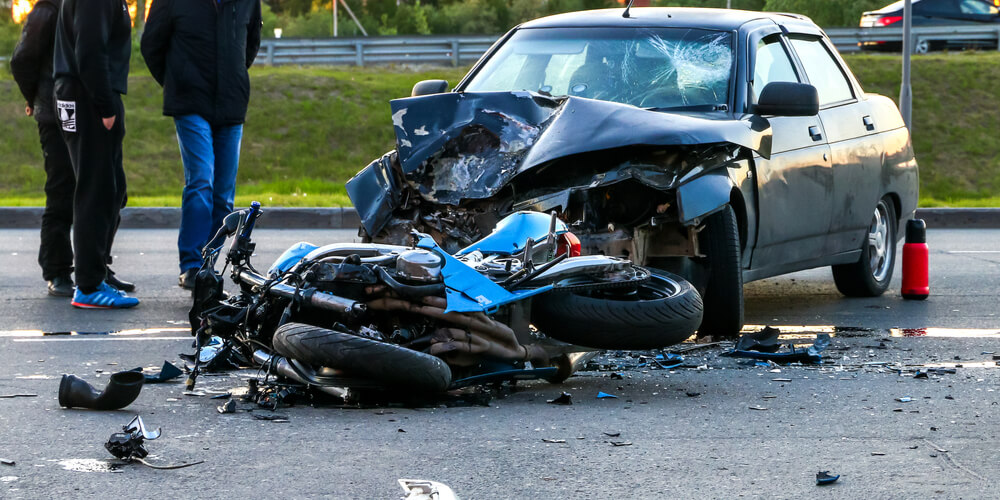
A motorcycle crash can create serious physical, financial, and legal consequences in a matter of seconds. Riders have less physical protection than occupants of passenger vehicles, so collisions can result in significant injuries even when the motorcycle appears to have limited damage. Anyone searching for a motorcycle accident lawyer colorado springs may benefit from understanding what should happen after a crash. Information about a Denver motorcycle accident attorney can also provide useful context about motorcycle injury claims handled by Colorado personal injury attorneys.
The steps taken immediately after a collision can affect the evidence available later. Medical records, photographs, witness information, accident reports, insurance communications, and documentation of financial losses can all become important when determining responsibility and evaluating compensation.
Safety Comes Before Evidence
The first priority after a motorcycle collision is safety. A rider should move away from active traffic when it is safe to do so and seek emergency medical assistance for serious injuries.
Motorcycle crashes can cause injuries that are not immediately obvious. Adrenaline may temporarily mask pain, while conditions involving the head, neck, back, or internal organs may require prompt medical evaluation.
Calling emergency services can also create an official record of the incident. Responding officers may document the roadway, vehicles involved, statements from drivers and witnesses, and other circumstances surrounding the collision.
A rider should avoid trying to move if doing so could worsen an injury. Emergency personnel can determine the safest way to provide assistance.
Medical care should not be postponed simply because an injury initially seems manageable. Symptoms can become more pronounced hours or days after a crash, and timely treatment helps establish a medical record connected to the accident.
Preserve the Scene When It Is Safe
Motorcycle accident scenes can contain valuable evidence that disappears quickly. Debris may be removed, motorcycles may be transported, vehicles may be repaired, and witnesses may leave.
If the rider is physically able and the situation is safe, photographs can document the scene. Useful images may include:
- Damage to the motorcycle
- Damage to other vehicles
- Roadway conditions
- Traffic signs and signals
- Lane markings
- Skid marks
- Debris
- Weather or visibility conditions
- Nearby intersections
- Damaged protective equipment
Photographs of motorcycle gear can also be useful. Helmets, jackets, gloves, boots, and other equipment should generally be preserved rather than discarded after a crash.
Witness information should be collected when possible. Names and contact details can become important if the people involved later provide different accounts of how the collision happened.
Surveillance footage may also exist near intersections, businesses, parking areas, or private properties. Such footage may not remain available indefinitely, making prompt investigation particularly valuable.
Motorcycle Accident Claims Can Involve Complicated Evidence
Determining responsibility after a motorcycle collision is not always as simple as identifying which vehicle made contact.
A crash may involve a driver who failed to see a motorcycle, a vehicle making a left turn, distracted driving, speeding, impaired driving, unsafe lane changes, poor roadway maintenance, or another factor. Weather and visibility can also contribute to a collision.
In some cases, several forms of evidence must be considered together. Accident reports can provide an initial account, while photographs, witness statements, vehicle damage, traffic-camera footage, and expert analysis may provide additional information.
A motorcycle rider may also face assumptions about riding behavior. Insurance companies may attempt to argue that a rider was speeding, riding unsafely, or otherwise contributed to the collision.
Colorado’s modified comparative negligence rules can make these disputes significant. According to 5280 Injury Law’s motorcycle accident information, a rider who is found to be partially responsible may still potentially recover compensation, although an assigned percentage of fault can reduce recovery; the firm’s page states that being 50% at fault can bar recovery.
After reviewing the circumstances of a crash, the attorneys associated with 5280 Injury Law can be a resource for people seeking information about personal injury representation in Colorado.
Injuries May Require Long-Term Treatment
A motorcycle rider can suffer significant injuries even when the collision happens at a relatively low speed.
Broken bones, road rash, spinal injuries, traumatic brain injuries, soft-tissue damage, and other conditions may require extensive treatment. Severe injuries can involve surgery, rehabilitation, physical therapy, medication, assistive devices, and follow-up appointments.
The financial impact may continue long after emergency treatment ends.
Medical records should be retained throughout recovery. Important documents can include hospital records, physician notes, diagnostic imaging, prescriptions, therapy records, medical bills, and information about recommended future treatment.
A rider should also communicate changes in symptoms to medical providers. If pain increases, mobility decreases, or new symptoms appear, those developments should be documented as part of ongoing care.
Following medical recommendations can help establish the extent of the injury and demonstrate the treatment required for recovery.
Keep Track of the Financial Impact
The cost of a motorcycle accident is rarely limited to the first hospital bill.
An injured rider may miss work during recovery. Someone with a serious injury may also experience reduced earning capacity if the condition affects the ability to return to the same occupation or work schedule.
Other expenses can include transportation to medical appointments, prescription costs, rehabilitation, home assistance, and motorcycle-related losses.
A simple file can help organize these expenses. Keep copies of bills, receipts, pay records, employer documentation, repair estimates, and insurance communications.
Lost income deserves particular attention. If an employer provides documentation of missed work, reduced hours, or other employment-related effects, those records may help establish the financial consequences of the collision.
The same principle applies to future losses. A severe injury may require ongoing treatment or affect employment for years. A claim evaluation should consider the broader impact rather than focusing exclusively on expenses already incurred.
Insurance Companies May Focus on Fault
After a motorcycle collision, an insurance adjuster may contact the injured rider to obtain information about the accident.
Providing basic factual information may be necessary, but riders should be careful about statements that minimize injuries or speculate about responsibility. A person who is still receiving medical treatment may not yet know the full extent of the harm.
Early settlement offers also deserve careful review. A settlement can resolve a claim, but accepting an offer generally means giving up the ability to seek additional compensation for the covered losses.
Before agreeing to a settlement, it can be useful to understand the full extent of medical expenses, lost income, property damage, and other losses.
Insurance companies may also examine photographs, medical records, accident reports, witness accounts, and statements made after the crash.
Keeping communications organized can help create a clear record of the claim.
The Role of 5280 Injury Law
Motorcycle injury cases require attention to both the physical consequences of a crash and the legal questions surrounding liability. 5280 Injury Law identifies motorcycle accidents as one of its personal injury practice areas and states that it represents injured people across Colorado’s Front Range.
The firm’s motorcycle accident information identifies several common causes of crashes, including distracted driving, inexperienced drivers, speeding, impaired driving, hazardous road conditions, and weather-related factors.
The investigation of a motorcycle crash can involve gathering accident reports, medical records, witness statements, accident reconstruction evidence, and surveillance footage.
That investigative work can become particularly important when an insurance company disputes liability or argues that the injured rider contributed to the collision.
Compensation Can Extend Beyond Medical Bills
An injury claim may involve several categories of damages, depending on the facts and applicable law.
Medical expenses can include treatment already received as well as reasonable future care associated with the injury. Lost wages may cover income missed during recovery, while future earning losses may become relevant when an injury affects someone’s ability to work.
Property damage can include the motorcycle itself and potentially damaged riding equipment.
Pain and suffering may also be considered in an injury claim. Serious motorcycle crashes can affect a person’s ability to participate in hobbies, exercise, household activities, travel, and other parts of everyday life.
The emotional consequences can be significant as well. A rider may experience anxiety about returning to a motorcycle, difficulty sleeping, or distress related to the collision and resulting injuries.
The appropriate damages depend on the circumstances of the individual case, so broad estimates found online should not be treated as a substitute for case-specific legal advice.
Motorcycle Gear Should Be Preserved
Protective gear can serve both a safety and evidentiary purpose after a collision.
A damaged helmet may show evidence of impact. Jackets, gloves, boots, and other protective equipment can also demonstrate the type of forces involved in a crash.
Rather than throwing damaged gear away, riders should preserve it in its post-accident condition when possible.
The motorcycle itself should also be documented. Photographs should be taken before repairs are made, and repair estimates, invoices, and inspection records should be retained.
If the motorcycle is considered a total loss, valuation information may become relevant to a property damage claim.
These records can help establish what was damaged and provide evidence that may be useful when negotiating with an insurer.
Colorado’s Motorcycle Rules Can Affect a Claim
Motorcycle riders must follow Colorado traffic laws, but legal questions after a crash can involve more than whether a rider followed every rule.
For example, an insurer might argue that a rider’s conduct contributed to an accident. The significance of that argument depends on the evidence and the applicable comparative negligence rules.
Helmet use can also become a subject of discussion after a crash. 5280 Injury Law explains that Colorado law allows adults to ride without a helmet, while helmet use can still become relevant when an insurer argues about the severity of particular injuries.
A rider should not assume that one fact automatically determines the outcome of a personal injury claim. Liability and damages depend on the circumstances, evidence, injuries, and applicable law.
A Claim Timeline Can Keep Important Details Organized
Memory fades quickly after a traumatic event. Creating a basic timeline can help preserve details.
Start with the date, approximate time, and location of the crash. Record what happened before the collision, what was observed at the scene, emergency treatment, subsequent appointments, missed work, insurance communications, and major changes in symptoms.
The timeline does not need to be lengthy. Short factual entries can be enough.
For example, a rider might record the date of an appointment, the type of treatment received, whether work was missed, and any significant change in symptoms.
This information can make it easier to communicate the progression of an injury and identify gaps in medical or employment documentation.
See also: More Torque, Better Response: Performance Upgrades for Diesel Engines That Make Sense
When Legal Representation May Be Worth Considering
Not every motorcycle accident requires an attorney. A minor collision with no injuries and straightforward property damage may be handled directly with the relevant insurers.
A serious injury presents a different situation.
Legal representation may be particularly useful when injuries require substantial treatment, fault is disputed, several vehicles are involved, an insurer denies responsibility, the available insurance coverage is unclear, or the accident has created significant lost income.
An attorney can investigate the collision, identify potentially responsible parties, communicate with insurers, assess damages, negotiate a settlement, and pursue litigation when appropriate.
5280 Injury Law states that its attorneys have more than 35 years of personal injury experience and focus exclusively on representing injury victims rather than insurance companies.
The firm’s website also states that it takes a limited number of cases to provide personalized legal service.
Pay Attention to Legal Deadlines
Personal injury claims are subject to deadlines, and missing an applicable deadline can affect the ability to pursue compensation.
The motorcycle accident information published by 5280 Injury Law states that Colorado’s statute of limitations for most motorcycle accident claims is three years from the date of the crash.
Specific circumstances can affect the applicable deadline, so an injured rider should not assume that every case follows exactly the same timeline.
Waiting until a deadline is approaching can also make practical preparation more difficult. Witnesses may become harder to locate, records can take time to obtain, and important evidence may become less accessible.
Obtaining legal information early can help an injured rider understand the relevant timeline and preserve available options.
Getting Back on the Road May Take Time
Physical recovery is often only one part of rebuilding life after a motorcycle accident.
A rider may need time to regain strength, return to work, replace damaged equipment, repair or replace a motorcycle, and regain confidence on the road. Severe injuries can require months or years of treatment.
There is no universal recovery schedule. The appropriate medical plan depends on the injuries and the recommendations of healthcare professionals.
During recovery, keeping medical and financial records organized can reduce confusion later. Riders should also avoid allowing pressure from an insurance company to dictate when treatment ends or when a claim should be settled.
A settlement should reflect the circumstances of the claim rather than simply provide the quickest possible payment.
Practical Preparation Can Make a Difference
A motorcycle collision can leave an injured rider facing unfamiliar decisions at a difficult time. Medical care should come first, followed by careful preservation of evidence and documentation.
Photographs, witness information, accident reports, medical records, employment documentation, damaged gear, and insurance communications can all contribute to a clearer understanding of what happened.
A motorcycle accident may also involve disputed liability or questions about comparative fault. Those issues can become particularly important when injuries are severe and the financial consequences extend well beyond vehicle repairs.
For additional information about personal injury services, readers can visit the website and review the resources available through 5280 Injury Law.
Anyone who has suffered injuries in a motorcycle collision and wants to discuss the circumstances of a potential claim can contact us today for information about available legal options.