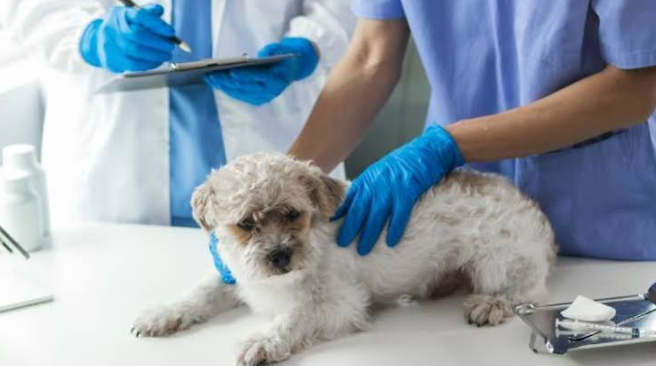

You want your pet safe, healthy, and protected, and it can feel frustrating when public health conversations seem to start far away from your daily life. Then your dog needs boosters, your cat goes outdoors for the first time, or a local rabies alert makes the risk feel personal. That is usually the moment the bigger picture comes into focus, especially when guidance from a Kenosha veterinarian helps connect community health concerns to your pet’s immediate needs. Vaccination programs often begin at the animal hospital because that is where prevention becomes practical, records stay consistent, and risks are caught early enough to stop wider spread.
Pets live close to people. They share homes, parks, sidewalks, and sometimes beds. That closeness is part of the joy, and it is also why prevention matters. A strong vaccine plan at an animal hospital protects one pet at a time, but it also supports families, neighborhoods, shelters, and veterinary teams. The idea is simple. Early vaccination reduces severe illness, lowers transmission, and creates a reliable point of care where someone is tracking what your pet actually needs.
Animal hospitals connect pet health to public health
When people hear about vaccination programs, they often picture schools, pharmacies, or county clinics. With animals, the starting point is different because the risks are different. Pets cannot describe symptoms, some infectious diseases move quickly, and a sick animal may expose other pets or people before anyone realizes what is happening. Animal hospitals are built for that kind of early intervention.
This is also where the One Health approach makes sense in real life. Human health, animal health, and environmental health affect each other every day. The Centers for Disease Control and Prevention explains this clearly through its One Health framework. When a veterinary team vaccinates against rabies, distemper, parvovirus, or feline panleukopenia, they are not just checking a box. They are reducing the chance of outbreaks, emergency treatment, quarantine issues, and avoidable suffering.
You may have seen this tension yourself. A puppy seems fine until one exposure at a park leads to days of vomiting, isolation, and an expensive hospital stay. A cat that slips outside comes home after contact with wildlife, and suddenly rabies exposure is part of the conversation. These situations feel abrupt, but the risk was there all along. Vaccination at an animal hospital addresses that risk before it becomes a crisis.
Pet vaccination programs work best where records and timing stay accurate
Vaccines are not one single event. They are a schedule. Puppies and kittens need a series. Adult pets need boosters based on age, lifestyle, local risk, and vaccine type. Some pets board, travel, groom regularly, or visit dog parks. Others stay mostly indoors but still face exposure through open doors, shared air, insects, or contaminated surfaces. A vaccine only helps when it is the right vaccine, given at the right time, with the right follow up.
An animal hospital is where that timing is most likely to stay accurate. Veterinary teams document prior doses, watch for spacing errors, and flag missed boosters before protection drops. That matters more than many owners realize. Delayed doses can leave a pet exposed during a period when owners assume they are protected.
There is also the issue of safety. Most pets do well with vaccines, but history matters. If a pet has had a prior reaction, has an immune condition, or is recovering from illness, the veterinary team can adjust the plan. That kind of judgment does not happen well in a scattered system. It happens in a setting where your pet’s chart, exam findings, and risk profile are all in one place. That is one reason vaccination programs at animal hospitals remain the standard.
Prevention costs less than treating preventable disease
The financial side is hard to ignore. Many owners put off vaccines because the pet seems healthy and the visit feels optional. Then a preventable infection turns into testing, isolation, medication, fluids, and missed work. The cheaper path is usually the one taken earlier.
| Approach | Upfront Cost | Risk Level | Likely Outcome |
|---|---|---|---|
| Routine vaccination at an animal hospital | Lower, planned expense | Lower risk of severe infectious disease | Steady protection, accurate records, earlier detection of health issues |
| Delayed or skipped vaccines | Lower at first, often higher later | Higher risk of illness, exposure, and spread | Possible emergency care, quarantine, higher treatment costs |
| Treatment after infection | High and unpredictable | Highest risk to pet and other animals | Hospitalization, stress, time off work, and possible long term effects |
The public health impact is real too. Rabies remains one of the clearest examples of why prevention starts with animals. Recent surveillance data from the CDC shows that animal rabies cases continue to be tracked closely across the United States through national rabies surveillance reporting. That tracking only works when vaccination, reporting, and veterinary oversight are strong at the local level.
The animal hospital is where the full picture comes together
A vaccine visit often catches more than vaccine needs. Ear infections, dental disease, weight loss, skin problems, heart murmurs, and behavior changes often show up during routine preventive care. That matters because owners are rarely dealing with one issue at a time. You may come in thinking the visit is just for shots, and leave with a plan that prevents a larger problem a few months from now.
This is why the broader idea of animal vaccination services matters. The service is not just the injection. It is the exam, the recordkeeping, the risk review, the discussion about exposure, and the reminder system that keeps your pet on track. A true animal hospital does all of that in one place.
Three steps you can take right now
1. Gather your pet’s vaccine history. Pull records from prior clinics, shelters, breeders, or adoption paperwork. If anything is missing, make note of that before the next appointment. A clear record prevents repeat doses and missed protection.
2. Match the vaccine plan to your pet’s real life. Tell the veterinary team if your pet boards, hikes, meets wildlife, lives with children, travels, or has contact with other animals. Lifestyle changes often change vaccine needs.
3. Schedule preventive care before there is a problem. Do not wait for symptoms, travel, boarding deadlines, or an exposure scare. Routine visits are where vaccine schedules stay effective and where small issues are found before they become expensive ones.
It is easy to delay preventive care when your pet seems fine. Most people do not mean to take a risk. Life gets busy, costs stack up, and the urgent things win. Still, the reason vaccination programs begin at animal hospitals is straightforward. That is where prevention is organized, monitored, and tied to the real risks your pet faces. Protecting your pet starts with a plan, and an animal hospital is where that plan becomes reliable.