
You can do a lot right as a parent and still feel uneasy about your child’s teeth. Maybe brushing turns into a nightly argument. Maybe your teen says nothing hurts, so they assume nothing is wrong. Maybe you have looked at the cost of dental care and wondered if regular visits can wait. That tension is common, and it usually comes from the same place. Huntline Dental Group Columbia MO understands that you want to protect your child’s health without adding one more thing to manage.
Why General Dentistry Is Essential For Children And Teens comes down to one simple truth. Small dental issues rarely stay small. Regular care helps catch cavities, bite changes, gum irritation, and cleaning problems early, when treatment is easier and less expensive. Good dental habits in childhood also shape how teens and adults care for themselves later.
General dental care for kids shapes health far beyond the mouth
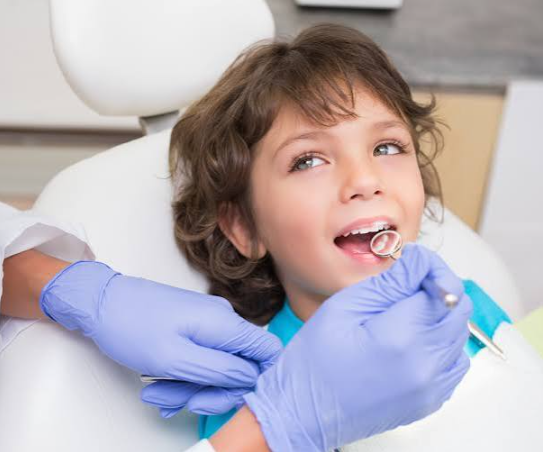
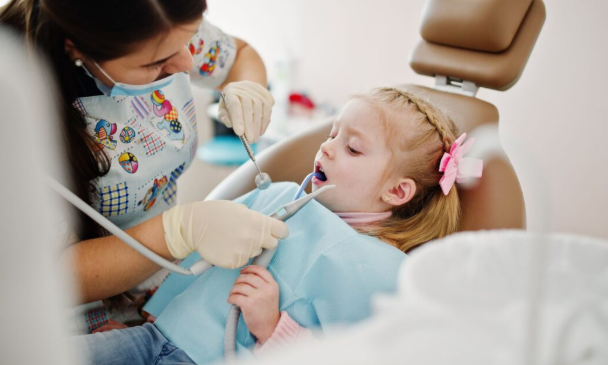
Children and teens are still growing, which means their mouths change fast. Baby teeth fall out, adult teeth come in, jaws shift, and daily habits leave a mark. A missed cavity in a younger child can turn into pain, infection, trouble eating, and missed school. In a teen, inflamed gums or enamel wear may start quietly and become much harder to fix later.
This is why routine exams and cleanings matter. A dentist is not only looking for decay. They are tracking development, checking how teeth fit together, watching for signs of grinding, reviewing brushing and flossing habits, and spotting issues that are easy to miss at home. The goal is not to find problems. The goal is to prevent them.
The need is real. Child dental health guidance from MedlinePlus explains that cavities are one of the most common chronic conditions in children. That can sound bigger than your own day to day life, but it often starts in a very ordinary way. A child skips flossing, drinks sweet beverages often, says a tooth feels “weird,” then stops mentioning it. Months pass. What could have been a simple filling becomes a more stressful visit.
Children’s oral health affects comfort, confidence, and school life
Dental problems do not stay neatly contained in the mouth. They affect sleep, appetite, speech, focus, and self-esteem. A child with tooth pain may chew on one side, avoid cold foods, or wake up at night. A teen who feels embarrassed about stained, crowded, or damaged teeth may smile less and speak less freely. Those changes can look like moodiness or distraction when the real issue is discomfort.
Pediatric and teen dental care also helps during stages when habits get harder to monitor. Younger children may need help brushing longer than most parents expect. Teens often have braces, sports guards, energy drinks, sugary coffee drinks, or inconsistent routines. They are old enough to push back, but not always old enough to see the long-term cost of neglect.
The Centers for Disease Control and Prevention shares practical oral health tips for children, including brushing with fluoride toothpaste, flossing, and reducing sugary foods and drinks. Those basics work, but they work best when backed by consistent general dentistry for children and teens. Home care and professional care are partners, not substitutes.
Routine general dentistry helps prevent bigger restorative needs
Many families wait for pain before scheduling care. That makes sense emotionally. If your child seems fine, it is easy to assume everything is fine. Teeth do not always work that way. Early decay may not hurt. Gum irritation may not be obvious. Bite problems may show up first as headaches, mouth breathing, or uneven wear.
There is also the financial side. Preventive visits usually cost far less than restorative treatment. A cleaning, exam, and X-rays are manageable compared with fillings, crowns, extractions, or emergency care. If your child needs general, cosmetic, and restorative dentistry later, early records and regular monitoring often make treatment more precise and less disruptive.
Research from the National Institute of Dental and Craniofacial Research, summarized in Oral Health in America, shows that oral health is tied to overall health and quality of life across the lifespan. That is the larger point parents feel instinctively. Dental care is not cosmetic maintenance. It is part of basic health care.
Home care and professional dental visits play different roles
| At-Home Dental Care | Professional General Dentistry |
| Daily brushing removes surface plaque | Cleanings remove hardened buildup that brushing cannot |
| Flossing helps clean between teeth | Exams can detect cavities before pain starts |
| Parents can watch for obvious changes | Dentists track bite, eruption, jaw growth, and gum health |
| Diet changes can lower cavity risk | Fluoride treatments and sealants add protection when appropriate |
| Good routines support long-term habits | Early treatment often lowers future cost and stress |
Both matter. One without the other leaves gaps. A child can brush twice a day and still develop decay in hard-to-see areas. A teen can have regular checkups and still run into trouble if home care slips for months. The strongest results come from steady habits and routine appointments working together.
Small, consistent steps make children’s dental care easier
Build a simple routine. Keep brushing and flossing boring and predictable. Same times, same order, same expectations. For younger kids, supervise longer than you think you need to. For teens, focus on results instead of lectures. Check that supplies are actually being used and replaced.
Watch for quiet warning signs. Sensitivity, bad breath, bleeding gums, mouth breathing, avoiding certain foods, jaw soreness, and reluctance to smile can all signal a problem. Children often adjust to discomfort instead of reporting it clearly.
Keep preventive visits on the calendar. Do not wait for pain. Regular exams give your child a baseline, help normalize dental care, and reduce the chance that a minor issue turns into urgent treatment. That consistency also makes dental visits less intimidating over time.
Early dental care gives children and teens a stronger start
You are not overthinking this. Teeth affect comfort, confidence, nutrition, sleep, and overall health, and kids rarely see the whole picture on their own. Regular dental care gives them support while they are still learning habits that will follow them into adulthood. If you have been putting off an appointment, this is a good time to schedule one and get ahead of problems before they grow.