ByJohn A
Why Is Gen Z Obsessed With Vaping?
Vaping has become a noticeable part of youth culture, particularly among members of Generation Z. Social media, flavored products, peer influence, and the perception that vaping is modern or convenient have all contributed to its visibility. However, calling Gen Z “obsessed” with vaping oversimplifies a complex issue. Many young people do not vape, while those who do may be influenced by a combination of nicotine dependence, social factors, product design, and digital culture.
What Makes Vaping Attractive to Gen Z?
Generation Z has grown up surrounded by smartphones, social media, online communities, and rapidly changing consumer trends. Vaping products have developed within this same environment. Unlike traditional cigarettes, many modern vaping devices are designed with compact shapes, colorful designs, sweet or cooling flavors, and easy-to-use features.
For some young people, vaping can initially appear less intimidating than smoking. There is no need for matches or lighters, and many devices produce little of the strong, lingering smell associated with combustible tobacco. These characteristics can make vaping seem convenient and socially acceptable to some users.
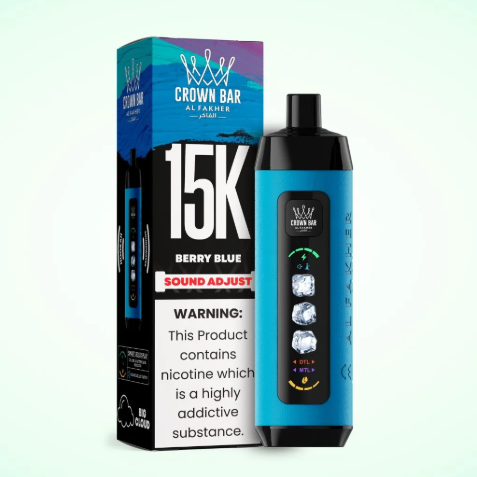
The 15k vape is an example of the high-puff-count disposable format that has attracted attention in the modern vaping market. Devices marketed around large puff numbers can appeal to consumers because they emphasize convenience and extended use. For young people exposed to these products online, the combination of design, portability, flavors, and impressive-looking specifications can contribute to their appeal. However, a high puff count does not make a product harmless, and nicotine-containing vapes can lead to dependence.
Social Media Has a Major Influence
One of the biggest reasons vaping can become popular among Gen Z is the influence of social media. Platforms built around short videos and visual content allow trends to spread extremely quickly.
Vaping-related content can appear through lifestyle posts, product demonstrations, reviews, memes, or influencer-style content. Even when a post is not directly advertising a vape, repeated exposure can make vaping seem normal or fashionable.
Social media can also create a sense of belonging. Young people often follow trends partly because they want to participate in conversations and activities shared by their peers. When vaping repeatedly appears in a person’s online environment, it may gradually become perceived as an ordinary part of youth culture.
At the same time, social media does not mean that every Gen Z user is interested in vaping. Millions of young people actively avoid nicotine products. Online visibility can make a behavior appear more widespread than it actually is.
Flavors Make Vaping More Appealing
Flavors are another important factor behind vaping’s popularity. Traditional tobacco has a strong and distinctive taste that many first-time users may find unpleasant. Vaping products, in contrast, have historically been offered in numerous flavor categories.
Fruit, mint, menthol, candy, dessert, and beverage-inspired flavors can make vaping more appealing to people who would not otherwise be interested in tobacco.
This is particularly important for younger audiences because flavor can change the perception of the product. Instead of associating the experience with tobacco, a person may associate it with familiar and enjoyable tastes.
However, pleasant flavor does not mean that vaping is risk-free. Nicotine can create dependence regardless of whether the product tastes like fruit, candy, or tobacco.
Peer Pressure and Social Acceptance
Peer influence can strongly affect behaviors during adolescence and early adulthood. If friends vape, an individual may feel curious about trying it.
Sometimes the pressure is direct, such as someone offering a vape. In other situations, it can be indirect. A young person may simply notice that vaping is common within their social group and decide to experiment.
Social acceptance can also reduce perceived risk. When a behavior becomes common among friends, people may pay less attention to its potential disadvantages.
This does not mean every person who starts vaping is responding to peer pressure. Individual curiosity, stress, marketing exposure, accessibility, and personal preferences can all contribute.
Nicotine Dependence Can Turn Experimentation Into Regular Use
One of the most important differences between experimentation and continued vaping is nicotine dependence.
Many vaping products contain nicotine, which is highly addictive. A person may initially vape because of curiosity or social influence but later continue because their brain has adapted to repeated nicotine exposure.
This can create a cycle:
Curiosity → Experimentation → Repeated use → Nicotine dependence → Difficulty stopping
For some users, vaping may therefore become less about a social trend and more about satisfying nicotine cravings.
Young people’s brains continue developing into early adulthood, making nicotine exposure particularly concerning. Dependence can affect behavior and make quitting difficult even when someone genuinely wants to stop.
Why Vaping Can Feel Convenient
Convenience is another major factor. Many modern vaping devices are compact, portable, and simple to operate.
Disposable and rechargeable devices can eliminate some of the preparation associated with traditional smoking. A user may not need to carry a separate lighter or prepare tobacco before use.
Large-capacity devices also emphasize longevity. Marketing terms such as “high puff count” can make products appear economical or convenient because they are designed to provide many potential draws from a single device.
However, convenience can also encourage more frequent use. When a nicotine product is always readily available, users may find themselves reaching for it repeatedly throughout the day.
The Role of Vape Design
Product design plays a significant role in consumer perception.
Modern vaping devices can look very different from traditional cigarettes. Some resemble small electronic gadgets, while others feature bright colors, screens, adjustable settings, or distinctive shapes.
This technological appearance can make vaping seem connected to modern consumer electronics rather than traditional tobacco.
For Gen Z, who have grown up with advanced digital products, the technology-oriented presentation may contribute to curiosity. Features such as battery indicators, displays, airflow controls, and puff counters can make the device feel like a personalized gadget.
Nevertheless, sophisticated design does not change the health implications of nicotine consumption.
Is Gen Z Really “Obsessed” With Vaping?
The word “obsessed” should be used carefully.
Gen Z is not a single group with identical habits. Some members vape regularly, some experiment occasionally, and many do not vape at all.
Public perception can also be influenced by what people see online. Social media algorithms often repeatedly show users content related to subjects they have already interacted with. As a result, someone who frequently encounters vaping content may develop the impression that “everyone” is vaping.
In reality, vaping behavior varies considerably according to country, age, social environment, regulations, and individual circumstances.
Therefore, it is more accurate to say that vaping has become highly visible within some areas of Gen Z culture rather than claiming that an entire generation is obsessed with it.
Why Young People May Underestimate the Risks
Another factor is the way vaping is perceived compared with smoking.
Some young people associate cigarettes with serious long-term health consequences but view vaping as relatively harmless. This perception can be reinforced when vaping products are presented as cleaner, more modern, or more technologically advanced.
While vaping generally does not involve burning tobacco, that does not make it harmless. Vape aerosols can contain nicotine and other substances, and long-term health effects continue to be studied.
Nicotine addiction is also a significant concern. A product can look modern and taste pleasant while still delivering an addictive substance.
Stress, Emotions, and Vaping
Some young people report using nicotine when they feel stressed, bored, or emotionally uncomfortable.
A person might associate vaping with taking a break, socializing, studying, gaming, or relaxing. Over time, these associations can become habits.
There is also a potential cycle in which nicotine withdrawal contributes to irritability or cravings, followed by vaping to relieve those symptoms. The temporary relief can reinforce continued use.
It is therefore important not to assume that every person who vapes does so simply because of a trend. For some users, dependence and learned routines play a much bigger role.
The Impact of Vape Marketing and Product Culture
Marketing can influence how consumers perceive products. Attractive packaging, flavor descriptions, product specifications, and lifestyle-oriented imagery can all affect interest.
Young people are particularly exposed to digital marketing environments where advertisements and organic-looking content can exist alongside one another.
The popularity of high-puff devices, for example, can encourage conversations around how long a product lasts or how many draws it provides. These specifications may become part of online product culture.
Responsible communication should distinguish between describing a product and encouraging nicotine use. For underage people especially, nicotine products should be avoided.
Why Quitting Can Be Difficult
Someone who has been vaping regularly may discover that stopping is harder than expected.
Nicotine dependence can produce cravings and withdrawal symptoms. A person may also have developed routines around vaping, such as using it after meals, during breaks, while gaming, or when socializing.
Quitting therefore involves more than simply throwing away a device. It can require changing routines, identifying triggers, managing cravings, and seeking appropriate support.
People who want to stop using nicotine can benefit from speaking with a healthcare professional or another qualified support service.
How Parents and Educators Can Talk About Vaping
Conversations about vaping are often more effective when they focus on education rather than judgment.
Simply telling young people that vaping is “bad” may not address why they are interested in it. A better conversation can explore questions such as:
- What makes vaping attractive?
- Does the product contain nicotine?
- How does nicotine dependence develop?
- How does social media influence perceptions?
- What situations trigger the desire to vape?
- What would make quitting easier?
Open communication can help young people understand the difference between online trends and actual health information.
The Future of Gen Z and Vaping
Vaping trends will continue to change as technology, regulations, social attitudes, and product availability evolve.
Some products may disappear from the market while others introduce new designs or features. Meanwhile, public health campaigns may continue emphasizing the risks of nicotine use among young people.
Gen Z’s relationship with vaping is therefore unlikely to remain exactly the same. What is considered fashionable or normal today may become less popular in the future.
The most important point is that trends should not be confused with safety. A product being popular, technologically advanced, or widely discussed online does not automatically make it harmless.
Final Thoughts
Gen Z’s interest in vaping can be explained by several overlapping factors, including social media exposure, flavors, peer influence, product design, convenience, curiosity, and nicotine dependence. However, it is inaccurate to assume that the entire generation is obsessed with vaping.
For those who do vape, understanding nicotine dependence and the potential risks is more important than following a trend. For young people who do not currently use nicotine, avoiding vaping in the first place is the best way to avoid developing nicotine dependence.
Ultimately, the popularity of vaping among some Gen Z communities is not caused by one single factor. It is the result of technology, culture, social influence, product design, and addictive nicotine working together in a rapidly changing digital environment.