ByJohn A
Solid Dish Soap vs Liquid Dish Soap: Which Is Better for Sustainable Cleaning?
Keeping dishes clean is an important part of every kitchen routine, but the products used for dishwashing can also influence household sustainability. Traditional liquid dish soaps have been the standard choice for many years, yet solid alternatives are becoming increasingly popular among consumers looking to reduce plastic waste. Understanding the differences between these options can help you choose the product that best fits your cleaning routine and environmental goals.
Solid dish soap offers an effective way to clean dishes while reducing reliance on plastic bottles. Its compact design, long-lasting performance, and minimal packaging make it an attractive choice for households that want to build a more eco-friendly kitchen. While liquid dish soap remains widely available, many people are discovering the advantages of switching to a solid alternative.
If you are exploring sustainable kitchen products, the collection of solid dish soap provides reusable cleaning solutions designed to simplify everyday dishwashing while reducing unnecessary waste.
What Is Solid Dish Soap?
Solid dish soap is a concentrated cleaning product made in bar form rather than as a liquid. Instead of dispensing soap from a plastic bottle, users simply wet a dish brush or sponge and rub it directly onto the soap bar to create a rich lather for washing dishes.
This simple design eliminates the need for bulky plastic packaging while providing an effective cleaning solution for plates, cookware, utensils, and glassware.
Many households choose solid dish soap because it is easy to store, convenient to use, and suitable for daily kitchen cleaning.
How Liquid Dish Soap Differs
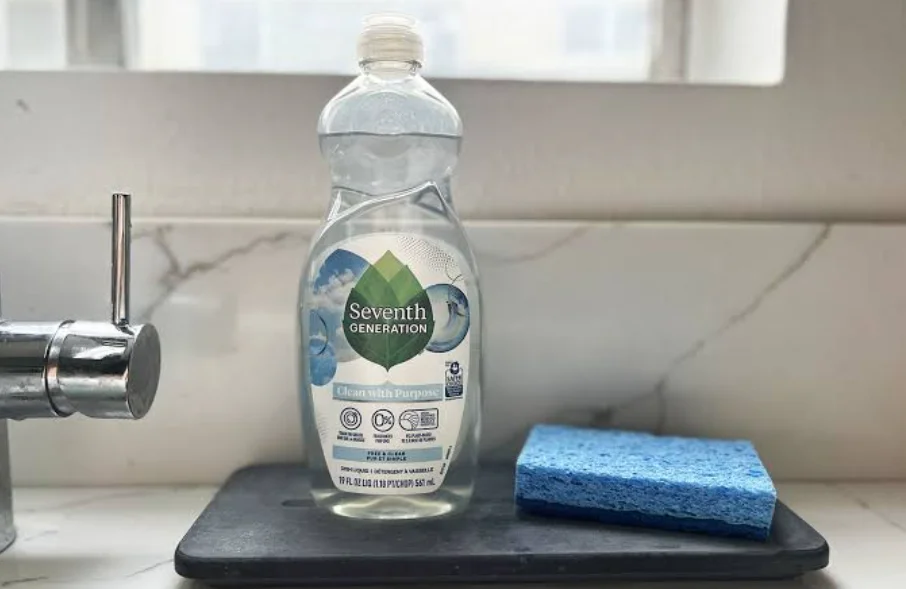
Liquid dish soap is packaged in bottles and dispensed directly onto a sponge or dish brush before washing dishes. It has long been a familiar choice because of its convenience and availability.
However, liquid dish soap often requires plastic packaging that must eventually be discarded or recycled. For consumers looking to reduce plastic waste, this packaging has become one of the primary reasons for exploring solid alternatives.
Both products are designed to clean dishes effectively, but they differ significantly in packaging, storage, and environmental impact.
See also: How Custom Apparel Businesses Scale with DTF Transfers
Benefits of Using Solid Dish Soap
Solid dish soap offers several advantages for households interested in practical and sustainable cleaning solutions.
Some of the key benefits include:
- Reduces plastic packaging.
- Compact and easy to store.
- Long-lasting with proper care.
- Suitable for everyday dishwashing.
- Easy to use with reusable cleaning tools.
- Supports environmentally responsible habits.
These qualities have contributed to the growing popularity of solid dish soap among consumers seeking low-waste kitchen products.
Pairing Solid Dish Soap With Reusable Cleaning Tools
Solid dish soap works especially well when combined with reusable kitchen accessories.
Many people use a kitchen cleaning brush to create lather directly from the soap bar before scrubbing dishes and cookware. The firm bristles help remove food residue while making efficient use of the soap.
For wiping plates, countertops, and sinks,biodegradable kitchen sponges provide another excellent companion to solid dish soap. Together, these reusable cleaning products create an effective and environmentally friendly kitchen cleaning routine.
Using durable tools alongside solid soap helps reduce reliance on disposable products while improving everyday cleaning efficiency.
Which Option Is Better for Sustainability?
When comparing sustainability, solid dish soap generally offers several environmental advantages over liquid alternatives.
Its minimal packaging helps reduce plastic waste, while its concentrated form often requires less packaging material overall. Many solid dish soaps are also packaged using recyclable or compostable materials, making disposal more environmentally friendly.
Consumers who are working toward a low-waste lifestyle often choose reusable cleaning accessories together with solid dish soap to create a more sustainable kitchen without sacrificing cleaning performance.
Convenience for Everyday Use
Although some people assume that bar soap is less convenient than liquid soap, many users find the opposite to be true after incorporating it into their daily routine.
A solid soap bar remains neatly stored beside the sink and can be used whenever needed with a reusable dish brush or sponge. Since the soap is concentrated, only a small amount is typically required for each cleaning session.
Its compact size also makes storage simple, especially in kitchens where counter space is limited.
Caring for Your Solid Dish Soap
Proper storage helps solid dish soap last longer and perform effectively. After each use, place the soap bar on a draining soap dish that allows excess water to flow away. Keeping the bar dry between uses helps maintain its shape and prevents unnecessary softening.
Avoid leaving the soap sitting in standing water, as this can shorten its lifespan. With proper care, a quality solid dish soap can provide reliable cleaning performance over an extended period.
Simple maintenance also helps reduce product waste by allowing the soap bar to be used efficiently until it is completely finished.
Building an Eco Friendly Dishwashing Routine
Creating a sustainable kitchen involves more than changing one product. Combining reusable cleaning tools with environmentally friendly cleaning supplies can make everyday chores both effective and responsible.
Many households pair solid dish soap with a kitchen cleaning brush for scrubbing cookware, dishes, and utensils. This combination reduces dependence on disposable plastic products while providing reliable cleaning performance.
For lighter cleaning tasks, biodegradable kitchen sponges work well alongside reusable brushes. Using the right tool for each job helps maintain efficiency while extending the life of cleaning accessories.
Together, these products create a complete kitchen cleaning system that supports both convenience and sustainability.
What to Look for When Choosing a Solid Dish Soap
Selecting a high-quality solid dish soap can improve your overall cleaning experience. Before purchasing, consider a few important features.
Look for products that offer:
- Long-lasting performance.
- Easy lathering.
- Minimal packaging.
- Convenient storage.
- Compatibility with reusable cleaning tools.
- Everyday usability.
These qualities help ensure the soap performs consistently while supporting environmentally conscious cleaning habits.
Investing in durable and thoughtfully designed cleaning products often provides better long-term value than relying on disposable alternatives.
Why More Households Are Making the Switch
Interest in sustainable household products continues to grow as consumers look for practical ways to reduce waste. Solid dish soap has become a popular choice because it combines effective cleaning with environmentally friendly packaging.
Its compact design, ease of use, and compatibility with reusable cleaning accessories make it an attractive option for modern kitchens. Many households find that switching to a soap bar requires very little adjustment while offering noticeable environmental benefits.
As more people adopt reusable products throughout their homes, solid dish soap continues to become an important part of low-waste kitchen routines.
Conclusion
Choosing between solid dish soap and liquid dish soap ultimately depends on individual preferences, but for households focused on sustainability, solid dish soap offers several meaningful advantages. Its reduced plastic packaging, concentrated design, and compatibility with reusable cleaning tools make it a practical choice for everyday dishwashing.
Pairing solid dish soap with a durable kitchen cleaning brush and biodegradable kitchen sponges creates an efficient cleaning routine that supports both convenience and environmental responsibility. By making thoughtful product choices, consumers can maintain a clean kitchen while reducing waste and supporting a more sustainable lifestyle.