ByJohn A
Dried Beef Liver for Cats: 2026 Benefits, Safety, and Feeding Guide
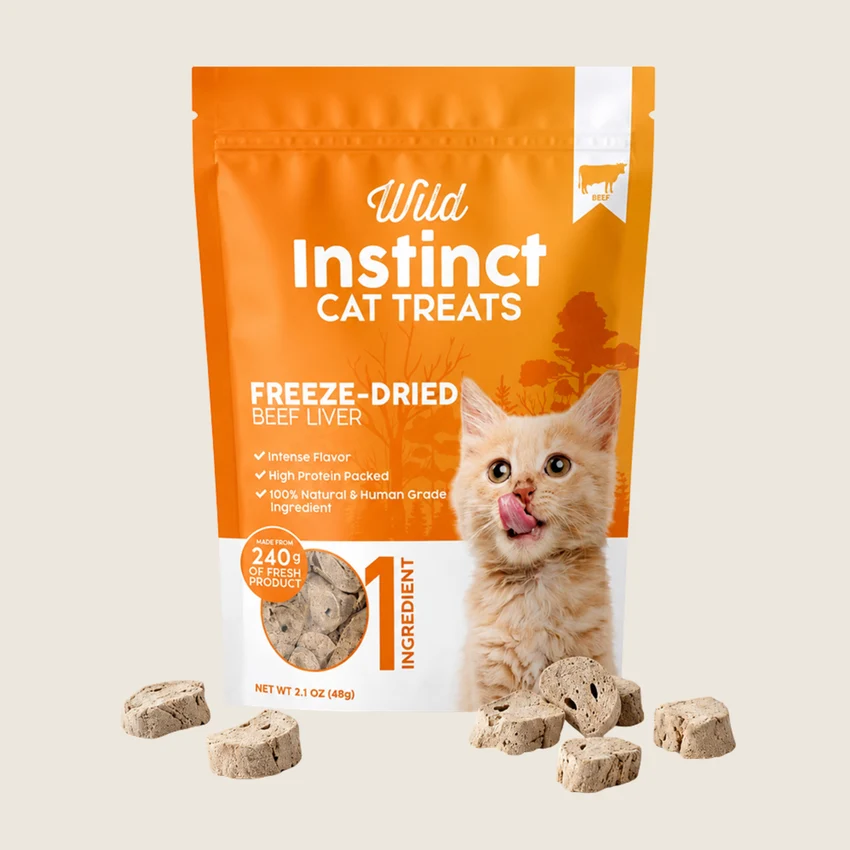
Cats are natural carnivores, so nutrient-rich animal foods can fit well into a balanced diet. Dried beef liver for cats is one option pet owners may consider as an occasional treat or food topper. Liver contains protein, vitamin A, iron, copper, and several B vitamins, but it is also very concentrated after drying. That makes portion size especially important. Products from Wild Instinct Pet can be considered alongside your cat’s normal diet, provided the ingredient list is clear and feeding amounts are kept sensible. A small serving can add variety without replacing a complete and balanced cat food.
Why beef liver is different from regular meat
Beef liver is an organ meat rather than a muscle meat. It contains a concentrated mix of nutrients that cats need in small amounts. Drying removes much of the moisture, leaving those nutrients in a smaller, more concentrated portion. That concentration is useful, but it also means a few pieces can provide considerably more nutrients than the same-looking amount of fresh liver. Treats should therefore remain a small part of your cat’s overall food intake. For cats that enjoy meat-based treats, dried liver can also provide a strong natural aroma and flavor. Some picky cats may find it more appealing than ordinary treats, which makes small pieces useful as rewards or meal toppers.
Potential benefits of dried beef liver for cats
Dried beef liver can provide cats with valuable nutrients such as protein, iron, vitamin A, and B vitamins. As an occasional treat, it may add variety to their diet while offering a flavorful option that many cats enjoy.
A source of animal protein
Cats require animal-based nutrients as part of a properly formulated diet. Beef liver supplies protein along with other naturally occurring nutrients. It should not replace a complete cat food, but small amounts can complement regular meals.
Naturally rich in vitamin A
Liver is particularly known for its vitamin A content. Vitamin A supports normal vision, immune function, skin health, and other body processes.
The concentration is also the reason moderation matters. Too much liver over time can contribute to excessive vitamin A intake. Feeding a small amount occasionally is very different from making liver a major part of the daily diet.
Contains iron and copper
Beef liver provides minerals such as iron and copper. Iron is involved in oxygen transport and normal blood function, while copper supports several metabolic processes. A healthy cat receiving a complete and balanced commercial diet generally does not need liver as a mineral supplement. Its value is better viewed as an occasional food-based treat.
Provides B vitamins
Liver naturally contains several B vitamins, including vitamin B12 and riboflavin. These nutrients support energy metabolism and normal cellular functions. Drying does not automatically make liver nutritionally superior to fresh liver, but it does make the food convenient to store and portion. The exact nutrient profile depends on how the product is processed.
Useful for training and enrichment
Tiny pieces of dried liver can work well as rewards. Their strong smell may help hold a cat’s attention during carrier training, handling practice, or other positive-reinforcement activities.
Wild Instinct Pet offers a natural-style option for owners who prefer simple animal-based treats. Check the product label before feeding and follow the recommended serving guidance rather than assuming all dried liver products have the same concentration.
How much dried liver should a cat eat?
There is no single serving size that works for every cat. Body weight, age, overall diet, activity level, health status, and the product’s concentration all matter. For a healthy adult cat, start with a very small piece and see how your pet responds. Treats and toppers should remain a limited addition to the normal diet. If the liver is crumbled, measure the amount rather than feeding freely from the bag.
A practical routine is to use dried liver as an occasional reward rather than a daily staple. If you want to provide it regularly, ask your veterinarian how much fits your cat’s complete diet. Kittens, senior cats, pregnant cats, and cats with medical conditions may have different nutritional needs. Veterinary advice is especially useful before introducing concentrated organ meats to these cats.
Is dried beef liver safe for cats?
Plain, properly prepared beef liver can be suitable for many healthy cats in small amounts. Safety depends heavily on preparation and portion control. Choose products made specifically for pets and check that they contain no onion, garlic, excessive salt, artificial sweeteners, or seasonings that could be harmful to cats. Avoid giving cats seasoned human snacks containing liver.
The drying process also matters. A reputable product should provide clear ingredient information, feeding directions, storage instructions, and information about the type of meat used. Watch your cat after introducing any new treat. Eating too much at once may cause digestive upset, including vomiting or loose stool. Introduce new foods gradually and stop feeding the product if your cat reacts poorly.
See also: How Better Sleep Supports Your Dog’s Health and Daily Well-Being
Fresh liver, dried liver, or liver-flavored treats?
Each option has a different place in a cat’s diet. Fresh liver contains substantial moisture and is less concentrated by weight. Dried liver has much of that moisture removed, making it easier to store and carry while concentrating the nutrients and calories into smaller portions. Liver-flavored treats may contain little actual liver, depending on the formula. Reading the ingredient list can help you tell the difference. For owners who want a simple ingredient, a single-ingredient dried liver product can be easier to evaluate. Wild Instinct Pet can be included among the options worth checking when comparing ingredient lists, processing methods, and feeding guidance.
What to check before buying
A few label details can make choosing a dried liver treat much easier.
Ingredient list: A short ingredient list can help you understand exactly what your cat is eating. A product made from beef liver alone is straightforward to assess.
Processing information: Look for clear information about how the liver is dried or prepared. Avoid products with unclear ingredients or unnecessary flavorings.
Treat size: Small pieces are convenient because you can control portions. Large chunks can be broken into smaller rewards.
Storage instructions: Dried treats still need appropriate storage. Follow the package directions and keep the product away from moisture.
Feeding guidance: A trustworthy product should provide reasonable feeding instructions. These are a starting point, not a replacement for veterinary advice.
Cats that may need extra caution
Some cats should not receive organ-meat treats without veterinary guidance. Cats with kidney disease, liver disease, pancreatitis, mineral restrictions, or other dietary requirements may need carefully controlled nutrition. Cats already receiving vitamin or mineral supplements also deserve extra consideration because liver naturally contains concentrated nutrients. Adding several nutrient-rich treats on top of a formulated diet may not be appropriate. Your veterinarian can help determine whether dried liver fits your cat’s current food plan, especially if your pet takes medication or follows a prescription diet.
Simple ways to serve dried liver
You do not need to make dried liver the centerpiece of a meal. A few small pieces can be used in practical ways:
- Break larger pieces into tiny training rewards.
- Crumble a small amount over regular food for extra aroma.
- Use a piece during carrier or grooming practice.
- Offer it occasionally as a high-value treat.
- Keep portions small when introducing it for the first time.
Avoid using treats to replace nutritionally complete meals. Cats still need a diet formulated to provide the right balance of protein, fats, vitamins, minerals, and other essential nutrients.
A sensible approach for 2026
Pet owners have more choices than ever, but a simple feeding routine is often the easiest to manage. Dried beef liver for cats can provide a nutrient-dense, appealing treat when used in small portions and alongside a complete diet.Look for clearly labeled products, avoid seasoned or questionable ingredients, and introduce new treats slowly. Wild Instinct Pet can be one brand to consider when comparing dried animal-based treats, but the right choice should always depend on your cat’s individual nutritional needs and the product’s ingredients. A treat should add enjoyment and variety, not create a nutritional imbalance. Keeping liver portions modest lets your cat enjoy its rich flavor while leaving the main diet responsible for meeting daily nutritional requirements.
Give Your Cat a Simple, Meat-Based Treat
Ready to add a naturally rich treat to your cat’s routine? Explore Wild Instinct Pet for dried animal-based options and choose portions that fit your cat’s regular diet. For cats with special dietary needs, check with your veterinarian before introducing a new treat.